Why VINs matter: protect your used car investment
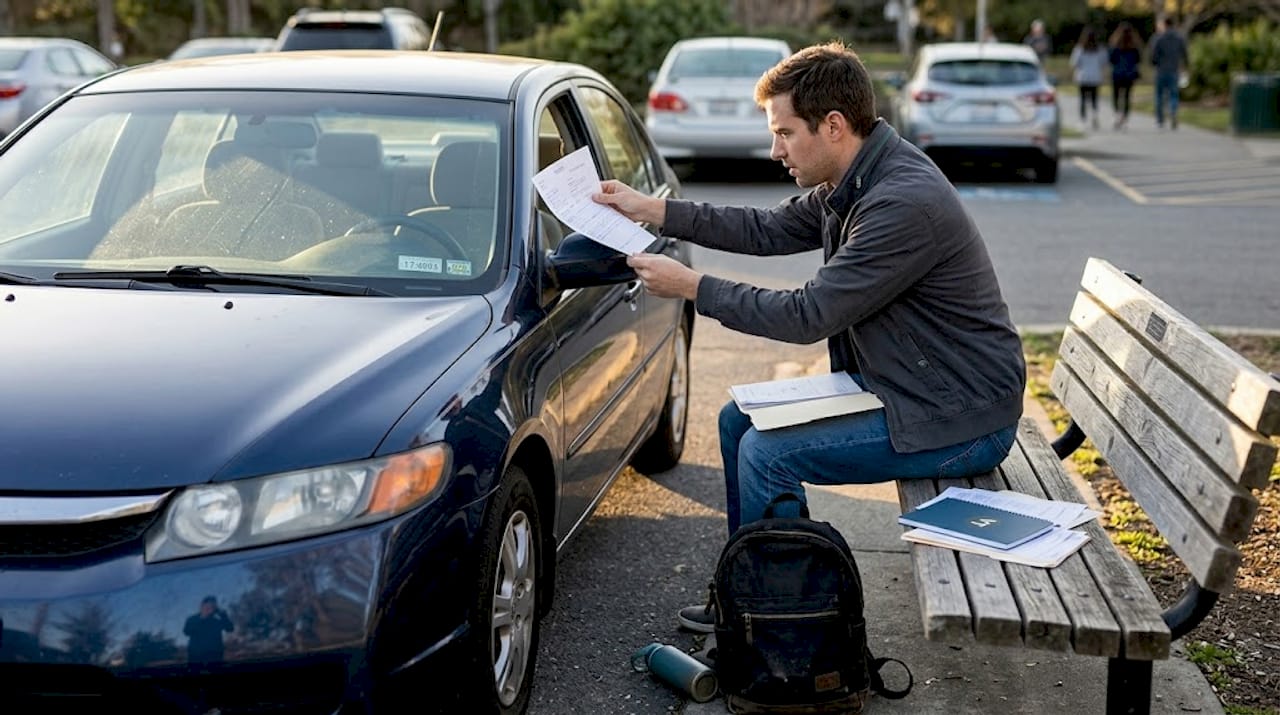
Check a vehicle before you buy
Enter a VIN for a free instant preview — accidents, title brands, mileage, liens & open recalls.
TL;DR:
- VIN verification helps detect fraud such as title washing and VIN cloning.
- Vehicle history reports reveal accident, title, theft, and odometer information to assess car quality.
- Combining free checks with affordable paid reports reduces used car buying risks significantly.
Buying a used car feels like a great deal until the hidden problems surface. A clean-looking vehicle with a freshly detailed interior can still carry a salvage title, rolled-back odometer, or frame damage that never made it into any report you reviewed. VIN verification prevents fraud like title washing and VIN cloning, both of which can cost you thousands after the deal closes. The Vehicle Identification Number, or VIN, is the single most powerful tool you have when shopping for a used car. This guide breaks down what a VIN actually tells you, how to use it against fraud, and where to get a reliable report without overpaying.
Table of Contents
- What is a VIN and how does it work?
- How VIN verification protects against fraud
- What’s inside a vehicle history report?
- Affordable options for reliable VIN checks
- The uncomfortable truth: why most used car buyers miss VIN risks
- Check your VIN with confidence
- Frequently asked questions
Key Takeaways
| Point | Details |
|---|---|
| VIN is your car’s identity | Every car has a unique 17-digit code that reveals its history, features, and risks. |
| VIN checks prevent costly fraud | Verifying your VIN helps avoid scams like title washing and cloning, saving you thousands. |
| Multiple reports add protection | Combining affordable and premium VIN reports offers the most complete picture for buyers. |
| Not all reports are equal | Free checks help but only paid reports deliver full details needed for safe buying decisions. |
What is a VIN and how does it work?
Before you can see why the VIN matters, you need to know exactly what it is and how those 17 digits unlock key information.
A VIN is a 17-character code assigned to every motor vehicle at the factory. Think of it as the car’s fingerprint. No two vehicles share the same VIN, and it stays with the car for its entire life. The system became standardized in the United States in 1981, so every car from that year onward follows the same format. Understanding that format is your first line of defense against scams.
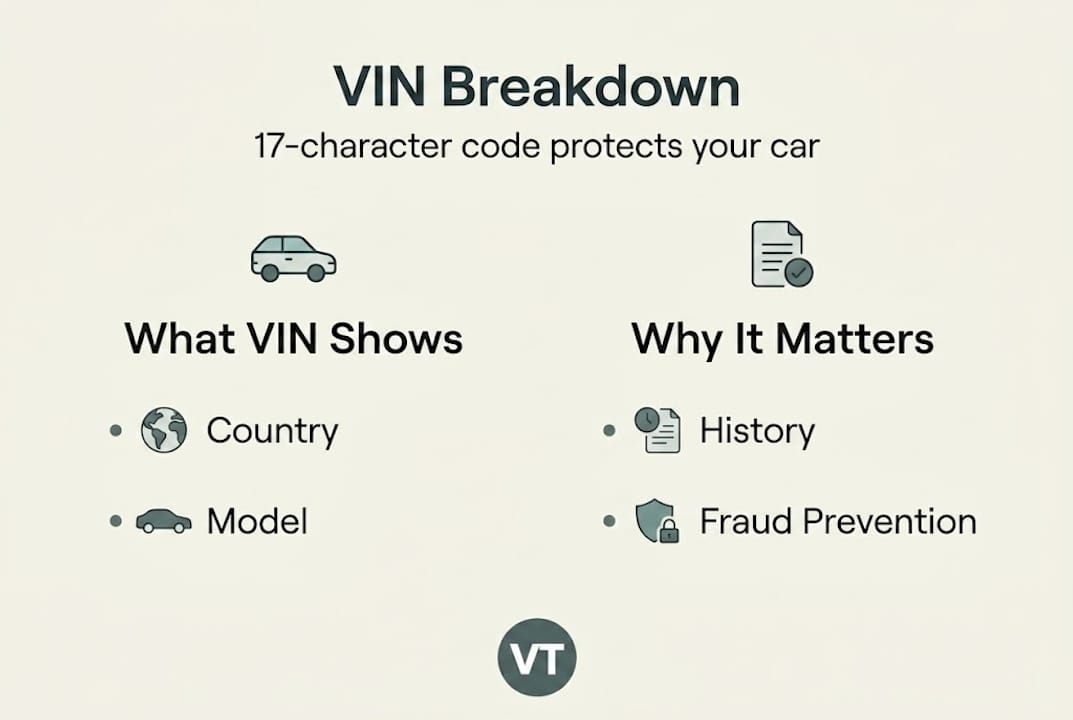
Here is how the 17 characters break down:
| Position | Characters | What it tells you |
|---|---|---|
| 1 | Country of manufacture | Where the car was built |
| 2-3 | Manufacturer code | Who made it |
| 4-8 | Vehicle descriptor section | Body type, engine, model |
| 9 | Check digit | Validates the VIN’s authenticity |
| 10 | Model year | Year the vehicle was manufactured |
| 11 | Plant code | Which factory built it |
| 12-17 | Sequence number | Unique production number |
Each section adds a layer of verifiable data. The check digit in position nine is especially important. It is calculated using a formula, and if the number does not match what the formula produces, the VIN has likely been altered. That is one of the ways VIN cloning can be detected by understanding VIN structure, since cloned vehicles often have mismatched modules that contain the original VIN embedded in the electronics.
Knowing the VIN structure explained also helps you use a VIN decoding guide to verify that the details on the window sticker match what the VIN actually encodes.
Here are the key places you should look for the VIN on any vehicle:
- Dashboard, visible through the windshield on the driver’s side
- Driver’s side door jamb sticker
- Engine block
- Firewall under the hood
- Frame rail near the radiator
- Title, registration, and insurance documents
Pro Tip: Always check the VIN in at least three physical locations on the car and compare them to the paperwork. Any discrepancy, even a single character, is a serious red flag.
How VIN verification protects against fraud
Now that you know what a VIN is, let’s see why verifying it is your best line of defense against costly fraud.
Title washing and VIN cloning are two of the most damaging scams in the used car market. Title washing happens when a car with a branded title, such as salvage or flood-damaged, is re-registered in a state with looser title laws. The result is a car that appears to have a clean title even though it was totaled. VIN cloning takes it further. A criminal takes the VIN from a legitimate, similar vehicle and applies it to a stolen one, making a stolen car look like it has a clean history. VIN verification prevents major losses from both of these tactics, yet many buyers skip this step entirely.
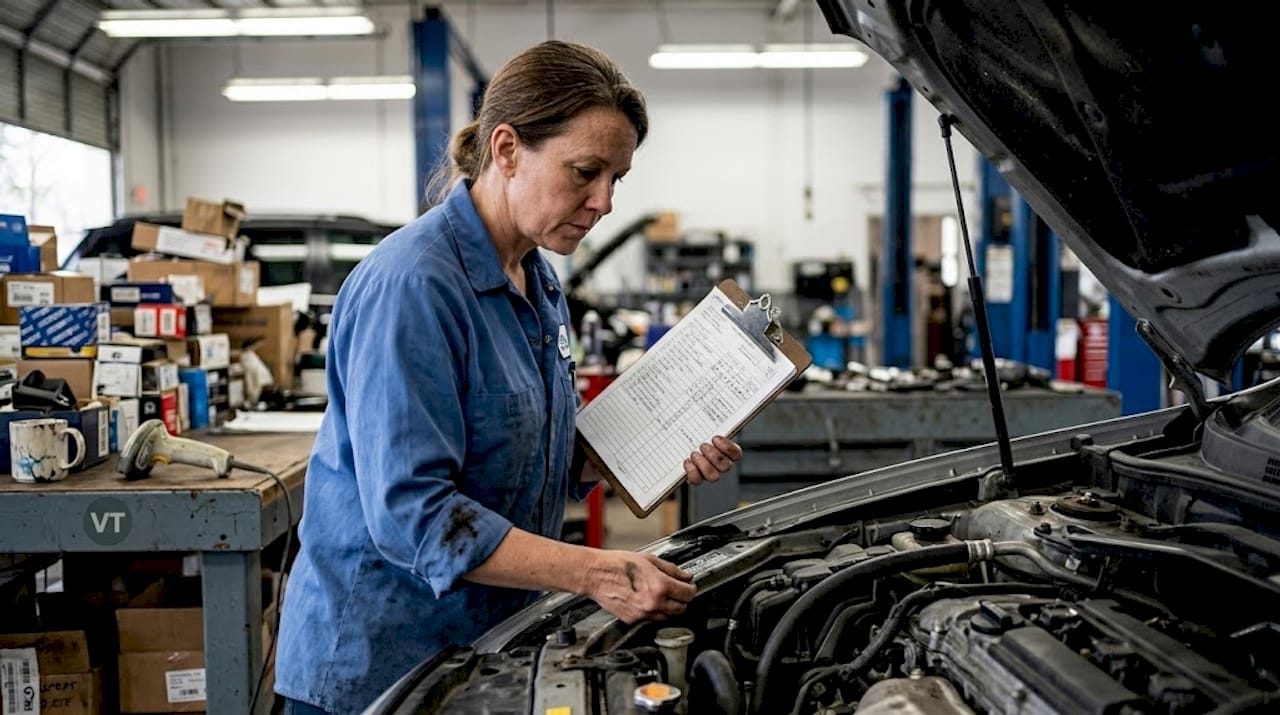
Here is a comparison of common fraud types and how VIN checks catch them:
| Fraud type | How it works | How VIN verification catches it |
|---|---|---|
| Title washing | Re-registers branded title in lenient state | Cross-referencing multi-state title records |
| VIN cloning | Applies stolen VIN to a different vehicle | Module VIN mismatch, check digit failure |
| Odometer fraud | Rolls back mileage readings | Historical mileage data across inspections |
| Stolen vehicle | Sold without owner’s knowledge | NICB and NMVTIS theft flag |
To protect yourself, follow these steps before handing over any money:
- Write down the VIN from the dashboard through the windshield.
- Compare it to the VIN on the driver’s door jamb sticker.
- Check the title document and registration for the same number.
- Run the VIN through a VIN lookup protection service to flag stolen or branded titles.
- Ask for a pre-purchase inspection from an independent mechanic who can read the vehicle’s onboard computer modules for embedded VINs.
“A single mismatched character between the dashboard VIN and the door jamb sticker should stop any deal in its tracks.”
The financial stakes are real. Buyers have lost $35,000 or more on a single vehicle after discovering the car they purchased was stolen or carried a washed title. Understanding how VINs prevent fraud is not just an academic exercise. It is money in your pocket. You can also use odometer check tips to spot mileage discrepancies before they become your problem.
What’s inside a vehicle history report?
After learning how VIN verification counters fraud, let’s explore the powerful data you can access with a vehicle’s VIN and what you might still miss.
A full vehicle history report pulls data from government databases, insurance companies, auto auctions, dealerships, and repair shops. When you enter a VIN, you can expect to see:
- Accident history: Reported collisions, airbag deployments, and insurance claims
- Title records: Whether the car has a clean, salvage, rebuilt, flood, or lemon title
- Odometer readings: A timeline of recorded mileage from inspections and registrations
- Theft records: Whether the car has ever been reported stolen
- Safety recalls: Open or resolved manufacturer recalls by the NHTSA
- Service history: Maintenance visits logged at participating shops
- Ownership history: Number of owners and type of use, such as fleet or rental
Here is how major report providers compare:
| Provider | Key features | Price |
|---|---|---|
| Vektracer | Accidents, title, theft, recalls, mileage, market value | From $19.99 |
| Carfax | Accidents, title, service records, ownership | $44.99 |
| AutoCheck | Title, auctions, score-based rating | $24.99 |
| NMVTIS only | Title and theft basics | ~$10 |
| NHTSA/NICB free | Recalls and theft only | Free |
Free tools like NHTSA and NICB offer basic recall and theft data but are insufficient on their own for a full used car vetting. They do not show accident history, odometer trends, or title changes across states.
Even premium reports have blind spots. Private repairs paid out of pocket, unreported accidents, and work done by shops that do not report to databases will not appear. This is why a professional inspection still matters alongside any report you pull. See the VIN lookup report details to understand what specific data points to look for, or review dealer vehicle history checks to understand how dealers use these reports themselves. For a full breakdown of what free tools miss, the limitations of free VIN checks are worth reading before you decide on a source.
Affordable options for reliable VIN checks
Understanding what’s in a vehicle history report leads naturally to the question: Where should you actually get VIN checks and how much do you need to spend?
Not all VIN check options are equal in price or depth. Here is a side-by-side view of the most common sources:
| Source | Cost | Best for | Limitation |
|---|---|---|---|
| NHTSA | Free | Recalls only | No accident or title data |
| NICB | Free | Theft checks | No mileage or ownership info |
| NMVTIS providers | ~$10 | Title and theft basics | Less detailed accident history |
| Vektracer | From $19.99 | Full history at low cost | Requires VIN entry |
| Carfax | $44.99 | Brand recognition | Same core data at much higher price |
Affordable options like NMVTIS run about $10, while premium providers charge up to $45 for reports built on largely the same underlying data.
Here is a practical approach to running and comparing reports:
- Start with NHTSA’s free recall checker to see if the car has any open safety issues.
- Run a free NICB check to confirm the vehicle has not been reported stolen.
- Pull an affordable paid report from a provider like VekTracer to get accident history, title status, and odometer data.
- If the report raises red flags, consider ordering a second report from a different source to cross-reference the findings.
- Always pair any report with a live inspection before finalizing the purchase.
Pro Tip: Do not skip the paid report because the car looks clean. The most deceptive vehicles are the ones that look great on the surface. A $19.99 report can save you from a $5,000 repair bill or worse.
Layering a free check with an affordable paid report is a low-cost strategy that dramatically reduces your risk. You can also review affordable VIN alternatives and compare free vs. paid checks to find the right balance for your budget.
The uncomfortable truth: why most used car buyers miss VIN risks
With all this information at your fingertips, it is worth addressing one overlooked reality that trips up even the savviest buyers.
Most people run one report, see nothing alarming, and consider the box checked. That is the fallacy of the single clean report. Databases are not perfect. An accident reported in one state may not appear in another source. A flood-damaged car that changed hands at a private auction might have no report history at all.
The bigger problem is that many buyers skip checks entirely because they feel like an extra cost or hassle in an already stressful process. But those same buyers often end up paying far more in repairs, depreciation, or legal fees when the truth surfaces later. A thorough VIN check also gives you real negotiating power. A vehicle with three owners in two years is worth less than one with a single owner, and knowing that before you make an offer changes the conversation entirely.
We have seen buyers lose significant money on vehicles with histories that would have been obvious from a second look at the real VIN buyer mistakes others have made. Do not let convenience override caution.
Check your VIN with confidence
Ready to protect yourself and your wallet? Here’s how you can take the next step.
At Vektracer, we built our platform specifically for buyers who want real data without the premium price tag. Our reports pull from NMVTIS-connected sources and cover accident history, title records, theft checks, mileage verification, safety recalls, and market value, all starting at $19.99.
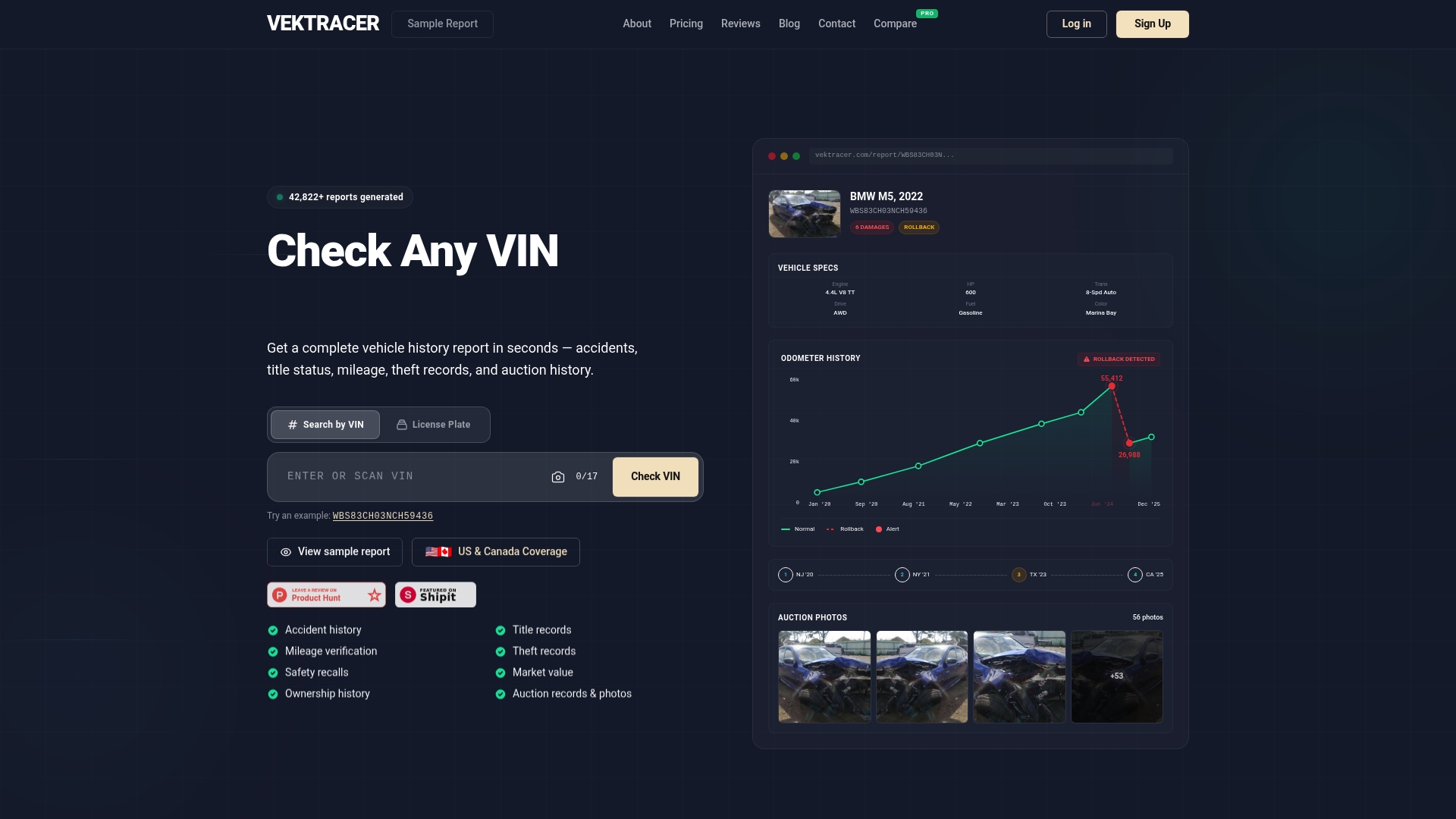
See how VekTracer works to understand exactly what goes into each report. You can also review VekTracer VIN check pricing to compare your options before you commit. If you want to see the depth of data before purchasing, browse a sample VIN report to know what you are getting. One smart check before you sign can save you thousands after the deal closes.
Frequently asked questions
What information does a VIN provide for used car shoppers?
A VIN reveals a vehicle’s full background, including recall, accident, and ownership history, title status, theft records, and odometer readings across its lifetime.
How can I spot VIN cloning or title fraud when buying a car?
Check the VIN in multiple physical locations on the car and compare them to the title documents. Mismatched modules signal fraud and can be identified by checking several VIN spots and running a full history report.
Are free VIN checks reliable for making a purchase decision?
Free NHTSA/NICB checks are insufficient for complete used vehicle vetting because they miss accident history, title changes, and odometer trends that paid reports capture.
How much should I expect to pay for a thorough VIN history report?
Affordable NMVTIS reports cost around $10 for basic title and theft data, while full-featured reports from providers like Vektracer start at $19.99 and premium services can reach $44.99.
Recommended
Ready to check a vehicle?
Enter any 17-character VIN for a free instant preview — no account needed.