Why VIN lookup matters: protect your used car purchase
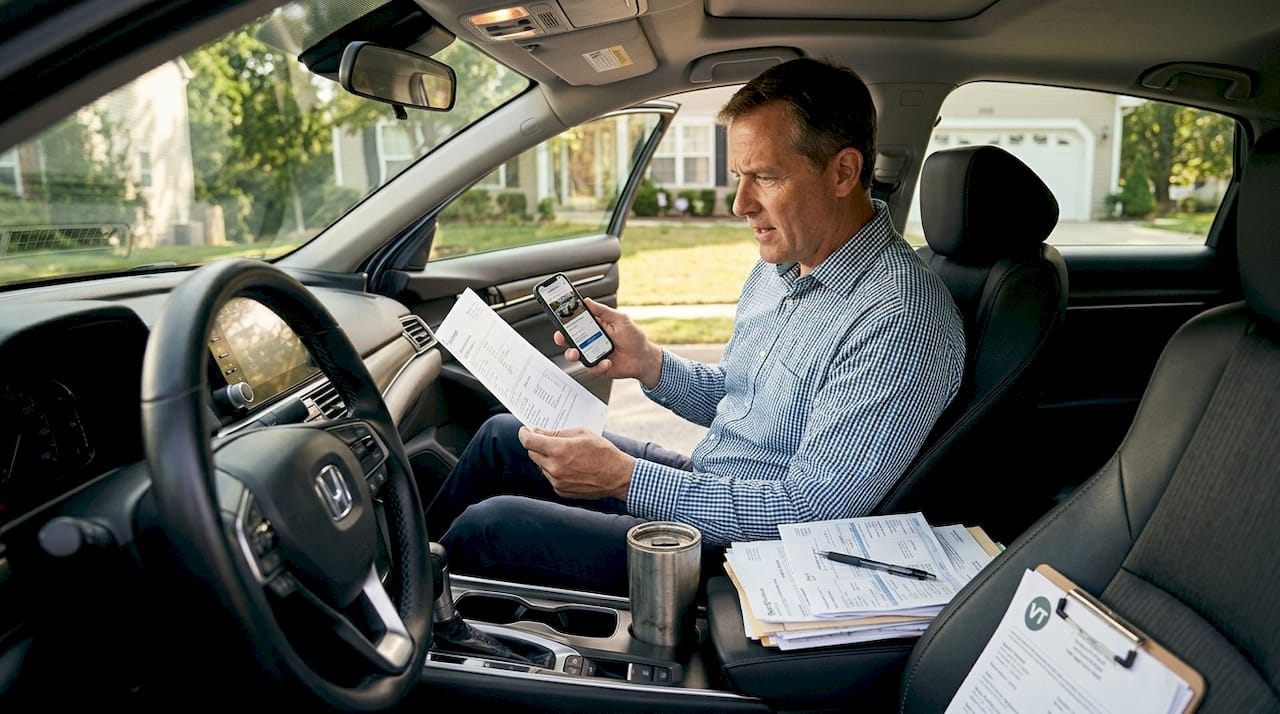
Check a vehicle before you buy
Enter a VIN for a free instant preview — accidents, title brands, mileage, liens & open recalls.
TL;DR:
- VIN lookup reveals important vehicle history details like title status, accidents, and odometer changes.
- Odometer fraud and hidden damage are common risks that VIN reports can help detect.
- Using multiple reports and an independent mechanic inspection enhances used car buying safety.
Buying a used car feels exciting until you realize how much can go wrong before you sign anything. Odometer fraud costs US buyers over $1 billion every year, and that’s just one type of hidden risk. Rolled-back mileage, washed titles, undisclosed accidents, and outstanding liens are all waiting to ambush unprepared buyers. A VIN lookup is your first and most powerful line of defense. In this guide, you’ll learn exactly what a VIN lookup reveals, how it protects you from fraud, which tools are worth your money, and how to use the results to negotiate a better deal.
Table of Contents
- What is a VIN lookup and what does it reveal?
- Protecting yourself from fraud and costly mistakes
- Free vs. paid VIN lookup tools: strengths, weaknesses, and gaps
- How to use VIN lookup for smarter negotiations and reliability
- Why a VIN lookup isn’t enough: hard truths and smart strategies
- Get reliable VIN lookup and history reports with VekTracer
- Frequently asked questions
Key Takeaways
| Point | Details |
|---|---|
| VIN lookup uncovers hidden risks | A VIN check can reveal fraud, major accidents, title brands, and other dangers that aren’t visible when buying used. |
| Free and paid tools have gaps | No single report is 100% complete; cross-check reports and combine tools for best results. |
| Multiple checks save money | Protect yourself by using several history reports and a professional inspection, avoiding costly surprises. |
| VIN info strengthens negotiation | Use report findings to negotiate price, reject risky deals, and secure reliable, affordable used cars. |
What is a VIN lookup and what does it reveal?
Every vehicle built for sale in the United States carries a Vehicle Identification Number, or VIN. Think of it as a fingerprint for the car. It’s a 17-character code stamped into the dashboard, door frame, and engine block that ties the vehicle to its entire documented history. When you run a VIN lookup, you’re pulling every official record attached to that number from government databases, insurance companies, auto auctions, and repair shops.
Using VIN lookup tools gives you access to a wide range of data points that sellers rarely volunteer. Here’s what a solid vehicle history report typically includes:
- Title status: Whether the car holds a clean, salvage, rebuilt, or flood title
- Accident history: Reported collisions, airbag deployments, and structural damage
- Odometer readings: Mileage recorded at each ownership transfer or inspection
- Ownership history: How many owners the vehicle has had and in which states
- Theft records: Whether the car was ever reported stolen or recovered
- Open recalls: Any unresolved manufacturer safety recalls
- Liens: Outstanding loans or financial claims against the vehicle
- Service records: Documented maintenance from dealerships or repair shops
According to vehicle history report guidance from Car and Driver, VIN lookups provide access to all of these data points, giving buyers a much clearer picture of what they’re actually purchasing.
One source you’ll hear mentioned often is NMVTIS, the National Motor Vehicle Title Information System. It’s a federally mandated system for authoritative title history verification, meaning states are required to report title changes to it. NMVTIS car history reports are especially valuable for catching title fraud because the data comes directly from state motor vehicle agencies, not just third-party sources.
| Data category | What it tells you |
|---|---|
| Title brands | Salvage, flood, rebuilt, junk, or clean |
| Accident records | Collision severity, damage location |
| Odometer history | Mileage at each transfer point |
| Ownership count | Number of previous owners |
| Theft status | Stolen or recovered vehicle flags |
| Open recalls | Unresolved safety issues from manufacturer |
The more data sources a report pulls from, the more complete your picture becomes. That’s why choosing a provider connected to NMVTIS matters so much.
Protecting yourself from fraud and costly mistakes
Understanding VIN data is crucial, and here’s how it keeps you safe from fraud. Used car fraud isn’t rare or exotic. It happens every day across private sales, independent dealerships, and even some larger lots. Knowing the most common schemes helps you spot them before they cost you.
Odometer fraud is the most widespread problem. Sellers physically roll back the mileage display or manipulate digital odometers to make a high-mileage car look newer. The odometer rollback trend jumped 14% to 2.45 million vehicles in 2025, and odometer fraud costs buyers over $1 billion annually. A VIN report shows every mileage reading ever recorded, so a sudden drop from 120,000 miles to 60,000 miles is immediately visible.
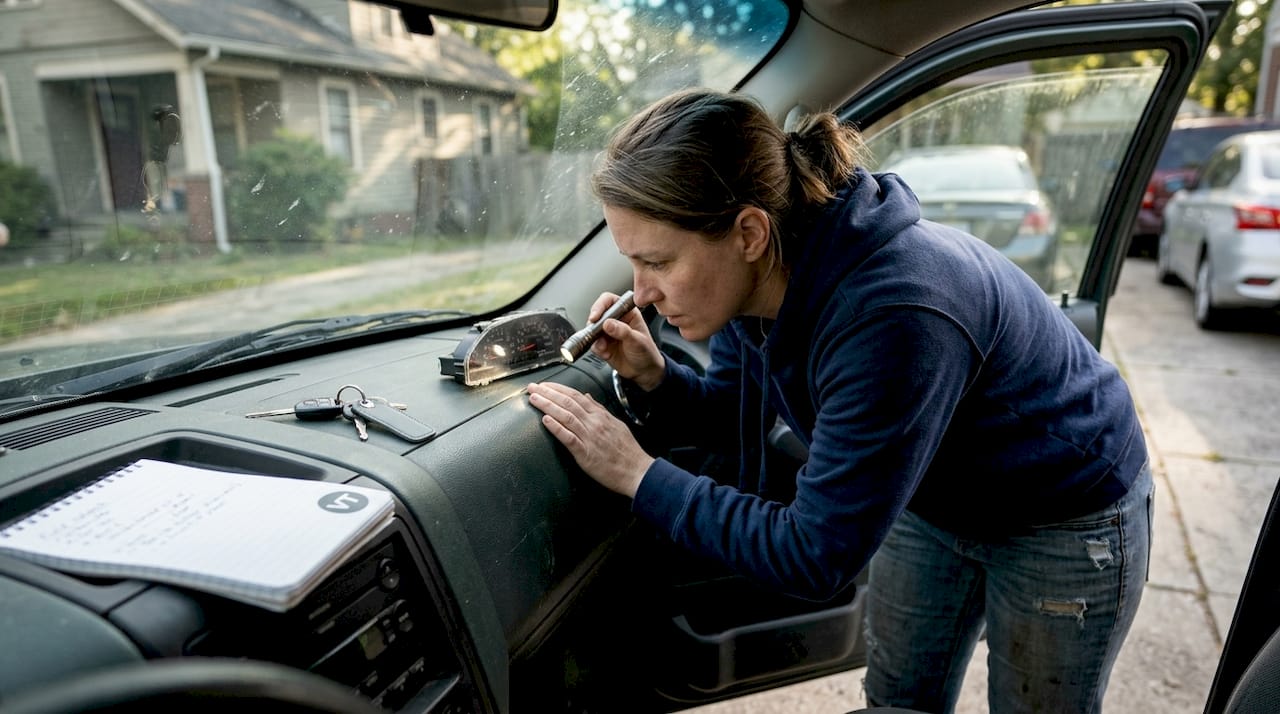
Title washing is another serious risk. This happens when a salvage or flood-damaged car is re-titled in a different state to erase the branded title. The car gets a clean-looking title, and buyers pay full price for a vehicle that’s structurally compromised. Checking accident and title fraud records through a VIN lookup can expose these discrepancies before you commit.
Undisclosed accidents are also common. A seller may claim the car was never in an accident, but insurance claims and repair shop records tell a different story. Structural damage that wasn’t repaired properly can cause serious safety issues and dramatically reduce resale value.
Here are the key red flags to watch for in any VIN report:
- Multiple owners in a short period of time
- Mileage that decreases between records
- Title brands from another state
- Gaps in service or ownership history
- Reported theft with no recovery details
- Open safety recalls that haven’t been addressed
For odometer fraud protection, always cross-reference the mileage on the report with the physical odometer reading during your inspection.
Pro Tip: Always pull at least two reports from different providers before making a decision. No single report captures 100% of incidents, so comparing two sources significantly reduces your blind spots. Follow up with an independent mechanic inspection to catch anything the reports missed.
Free vs. paid VIN lookup tools: strengths, weaknesses, and gaps
With fraud risks in mind, comparing VIN lookup tools is the next step. Not all VIN tools are created equal, and knowing what each one offers helps you spend wisely.
Free tools like the NHTSA (National Highway Traffic Safety Administration) database and the NICB (National Insurance Crime Bureau) VINCheck are useful starting points. NHTSA shows open recalls and basic vehicle specs. NICB checks for theft and salvage records. Both are legitimate and free, but they’re narrow in scope. They won’t show you accident history, ownership records, or odometer data.
Paid reports from providers like Carfax, AutoCheck, and Vektracer pull from a much wider network of sources. They include insurance claims, auction records, state DMV data, and repair shop entries. According to vehicle history report accuracy data from KBB, free VIN decoders reveal specs, recalls, and theft records, but paid reports add comprehensive history while still missing up to 30% of incidents due to unreported damage.
Here’s a side-by-side comparison of the most common options:
| Tool | Cost | Accident history | Title records | Odometer data | Recall info |
|---|---|---|---|---|---|
| NHTSA | Free | No | No | No | Yes |
| NICB VINCheck | Free | No | Partial | No | No |
| Carfax | $44.99 | Yes | Yes | Yes | Yes |
| AutoCheck | $24.99 | Yes | Yes | Yes | Yes |
| Vektracer | $19.99 | Yes | Yes | Yes | Yes |
Car and Driver notes that Carfax and AutoCheck have accuracy rates of roughly 85 to 90% for reported events, with gaps remaining from damage that was never officially reported. When comparing VIN reports, price differences between providers don’t always reflect data quality differences.
Here’s a smart approach to get the most coverage:
- Start with NHTSA to check open recalls at no cost
- Run a NICB check to flag any theft or salvage concerns
- Pull a paid report from a provider connected to NMVTIS
- Compare against a second paid report if the price is high or the history looks unusual
- Get a pre-purchase inspection from an independent mechanic
For a deeper look at whether the most expensive option is worth it, check out our breakdown of Carfax vs. alternatives to see how the data stacks up.
How to use VIN lookup for smarter negotiations and reliability
Finally, let’s turn VIN lookup results into real-world negotiation advantages. Most buyers treat a VIN report as a pass-or-fail test. If it looks clean, they move forward. But there’s a lot more value sitting in those pages if you know how to read them strategically.
According to KBB’s guidance on vehicle history reports, VIN lookups enable informed decisions by uncovering hidden risks, enabling negotiation, and helping buyers avoid lemons. Here’s how to put that into practice:
- Use accident records to negotiate price. Even a minor reported collision gives you grounds to ask for a lower price. Body repairs affect resale value, and sellers know it.
- Check the number of owners. A car with four owners in five years is a red flag. Ask why it changed hands so frequently.
- Look at service record gaps. Long stretches with no documented maintenance suggest neglected upkeep. Use that as leverage or walk away.
- Verify the mileage story. If the report shows consistent highway mileage, that’s a positive. City-heavy mileage causes more wear, even at the same total number.
- Confirm no open recalls. Unresolved recalls are a safety risk and a negotiating point. The seller should address them before the sale.
“A vehicle with a clean title, one previous owner, full service records, and consistent mileage is the gold standard. Everything else is a negotiation.”
Pro Tip: One-owner, low-mileage cars with complete service records are your best bets for long-term reliability. They’re worth paying a slight premium for because the total cost of ownership tends to be lower over time.
Before you finalize any deal, run through our pre-buying checklist and review how VIN protects buyers at every stage of the process. Pairing VIN data with reading history reports correctly gives you a real edge.
Why a VIN lookup isn’t enough: hard truths and smart strategies
Here’s something most guides won’t tell you directly: a clean VIN report does not guarantee a clean car. It guarantees a clean record, and those are two different things.
Private repairs paid out of pocket never appear in any database. A car that was rear-ended and fixed by a body shop that doesn’t report to insurance leaves no trace in a VIN report. Title washing through state transfers can scrub a branded title. Flood damage that was never claimed still corrodes wiring and mechanical systems years later.
Experts consistently recommend multiple reports and mechanic inspection to catch unreported damage that no database can flag. A pre-purchase inspection (PPI) from an independent mechanic costs $100 to $150 and can reveal frame damage, rust, fluid leaks, and worn components that no report will ever show.
For checking VIN for accidents, we recommend treating the report as your starting point, not your finish line. The smartest buyers use VIN data to filter out obvious problems fast, then invest in a physical inspection for the cars that make the cut. That combination gives you the best protection available.
Get reliable VIN lookup and history reports with VekTracer
You’ve learned how VIN lookups work, what fraud looks like, and how to use report data to your advantage. Now it’s time to put that knowledge to work on the actual car you’re considering.
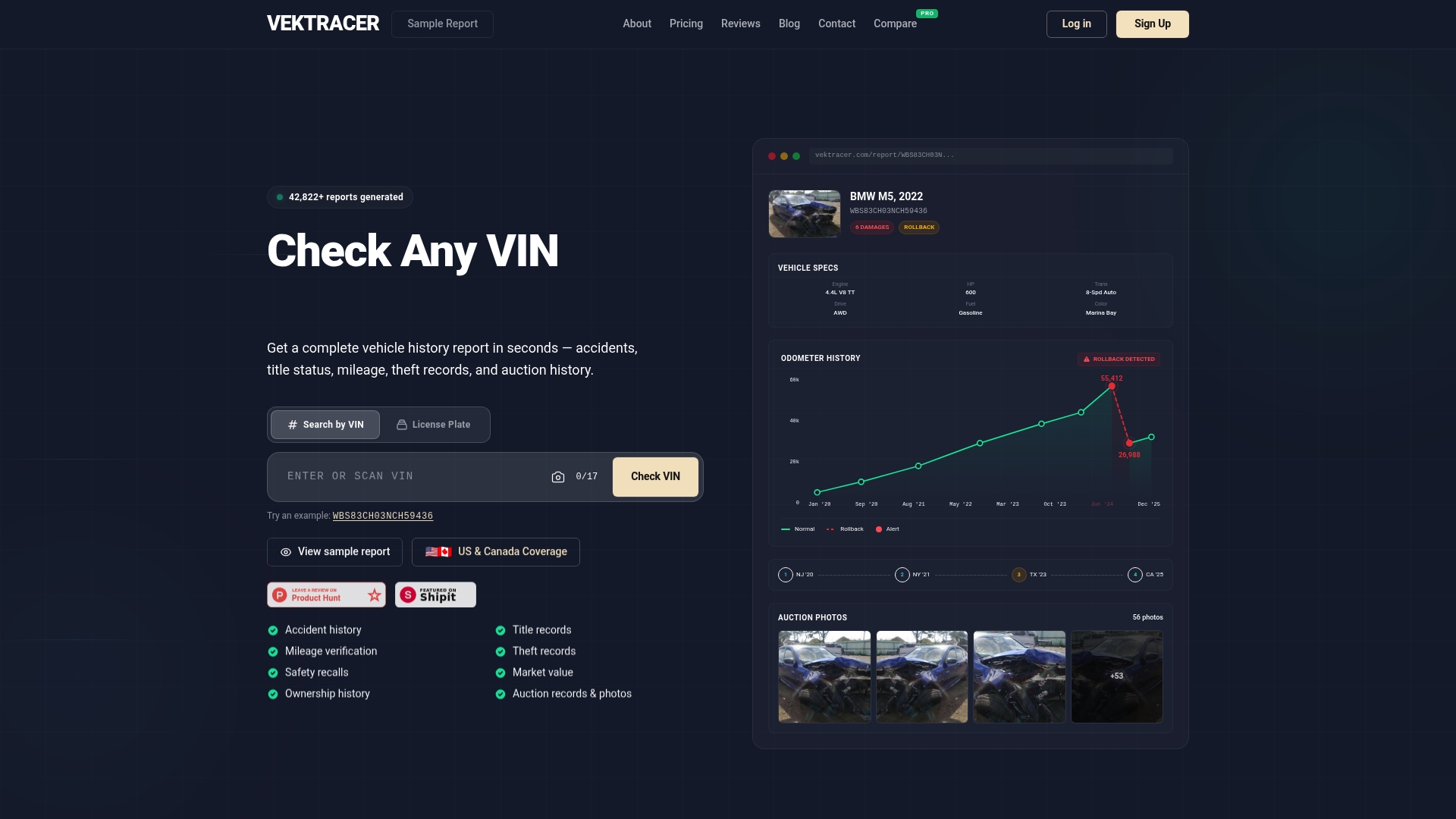
VekTracer provides NMVTIS-connected vehicle history reports starting at just $19.99, covering accident history, title records, odometer verification, theft checks, safety recalls, and market value data. That’s the same core data as Carfax at less than half the price. See how VekTracer works, review our affordable pricing, or check out a sample VIN report before you run your first search. Don’t hand over your money without knowing exactly what you’re buying.
Frequently asked questions
What information can I get from a VIN lookup?
A VIN lookup reveals the vehicle’s title status, accident history, odometer readings, ownership records, recalls, liens, theft status, and service records. The full data range depends on which sources the report provider uses.
Are all VIN history reports accurate and complete?
Most reports are about 85 to 90% accurate for officially reported events, but unreported damage and private repairs won’t appear. Cross-checking two reports and getting a mechanic inspection closes most of those gaps.
How can VIN lookup help me avoid fraud?
VIN lookup exposes odometer rollbacks, salvage titles, flood damage, and theft records that sellers may hide. With 2.45 million vehicles suspected of odometer rollbacks in 2025 alone, running a report before you buy is non-negotiable.
Do I need to pay for multiple reports, or is one enough?
One report is a good start, but using two from different providers catches more gaps. Experts recommend pairing multiple reports with a pre-purchase mechanic inspection for the strongest protection.
What if the VIN report looks clean but the price seems too good?
A suspiciously low price on a clean-report car is a warning sign. Reports can miss unreported damage, so always cross-check with a second report and a physical inspection before committing.
Recommended
Ready to check a vehicle?
Enter any 17-character VIN for a free instant preview — no account needed.