Texas
License Plate Lookup
Enter a Texas license plate to find the vehicle's VIN. Run the plate to reveal the full history — title, accidents, mileage, and recalls.

Texas search activity
Real searches from Vektracer users · updated daily
Top 5 checked makes
all timeTop model years
all timeHow a Texas license plate lookup works
A license plate is tied to a single registered vehicle. When you enter a Texas plate number, we match it to the vehicle's 17-character VIN, then pull a full history report from over 100 databases. It's the fastest way to identify a car when you have the plate but not the VIN.
Type the Texas plate number and confirm the state.
The plate is matched to the vehicle's 17-character VIN automatically.
View the full vehicle history report in seconds.
What a Texas plate lookup can reveal
Texas vehicle history includes DMV records, title information, accident history, and safety recalls.
Texas license plates: format and rules
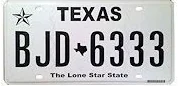
Standard passenger plates follow the ABC-1234 format. Texas no longer requires annual safety inspections for non-commercial vehicles. Eligible gasoline vehicles registered in designated emissions counties still need annual emissions testing; Bexar County joins the program on November 1, 2026. Commercial vehicles still require safety inspections.
Current-series standard passenger plates issued by the Texas DMV typically follow this pattern. Specialty and older-series plates use different serials.
- ·Personalized plates are available through the Texas DMV
- ·Sellers should remove plates and file a vehicle transfer notification.
Texas title, plate and registration rules
What the law requires when a vehicle changes hands in Texas. Fees and exact deadlines are set by the Texas DMV and can change, so check the official pages linked below before you file anything.
- Title transfer
- The buyer must apply for a Texas title within 30 days of the date of sale at the county tax assessor-collector office, submitting the title signed over by the seller, a completed Application for Texas Title and/or Registration (Form 130-U) and proof of liability insurance. TxDMV advises the buyer to accompany the seller to the county tax office.
- Plates on a sale
- Plates follow the owner: TxDMV states that "the seller has the option to remove their license plates and registration sticker from the vehicle," after which the seller may move the plates to another vehicle of the same classification, keep them, or deface and dispose of them.
- Registration renewal
- Registration expires on the last day of the month shown on the registration sticker, so renewal dates are staggered by month across the year.
- Worth knowing
- TxDMV tells sellers to file a Vehicle Transfer Notification within 30 days and warns a later filing "does not guarantee release from liability," so a buyer who misses the title deadline leaves the seller as owner of record.
Sources: TxDMV — Buying or Selling a Vehicle, TxDMV — Register Your Vehicle, TxDMV — Frequently Asked Questions. Verified 2026-09-15.
Can you find out who owns a car from the license plate?
No, and no legitimate service can. Owner names and addresses held in state motor vehicle records are protected by federal law. A site that promises to reveal the registered owner from a plate number is either selling something it cannot deliver, or operating outside that law. What a plate lookup legitimately returns is information about the vehicle, not the person.
What the law protects
The federal Driver’s Privacy Protection Act, at 18 U.S.C. § 2721, bars state motor vehicle departments from releasing personal information out of their records. That covers the registrant’s name, address, telephone number, driver identification number and Social Security number. Photographs, medical and disability information are treated as highly restricted and cannot be released at all without the person’s express consent.
When owner information can legally be released
The statute sets out fourteen permitted uses. The ones an ordinary person might qualify for are:
- Asking the Texas DMV for a copy of your own record.
- A civil, criminal or administrative proceeding, including service of process.
- An insurance claim, underwriting decision or anti-fraud investigation.
- Notifying an owner that their vehicle has been towed or impounded.
- A licensed private investigator acting for one of the permitted purposes above.
- Any purpose at all, where the individual has given written consent.
Outside that list the answer is no, whoever is asking and whatever the reason. If you need to reach an owner over a genuine dispute, the route is a police report, an insurance claim or a court, not a lookup site.
What you get from us instead
A Texas plate lookup resolves the plate to the vehicle’s VIN, then reports on the vehicle itself: title brands, reported accidents, odometer readings, open recalls, lien records, auction and sales history, and how many owners it has had. That is what tells you whether a car is worth buying. The registrant’s identity would not, and is not something we hold.
Frequently asked questions
You can start a Texas plate lookup for free to confirm the vehicle and preview what's on record. The full history report is $19.99.
License plate lookup by state
 Alabama
 Alaska
 Arizona
 Arkansas
 California
 Colorado
 Connecticut
 Delaware
 Florida
 Georgia
 Hawaii
 Idaho
 Illinois
 Indiana
 Iowa
 Kansas
 Kentucky
 Louisiana
 Maine
 Maryland
 Massachusetts
 Michigan
 Minnesota
 Mississippi
 Missouri
 Montana
 Nebraska
 Nevada
 New Hampshire
 New Jersey
 New Mexico
 New York
 North Carolina
 North Dakota
 Ohio
 Oklahoma
 Oregon
 Pennsylvania
 Rhode Island
 South Carolina
 South Dakota
 Tennessee
 Utah
 Vermont
 Virginia
 Washington
 West Virginia
 Wisconsin
 Wyoming
Before you buy: further reading

Get our expert tips for buying a used car from a private seller in 2026. Learn to inspect, negotiate, and avoid scams with our buyer checklist.
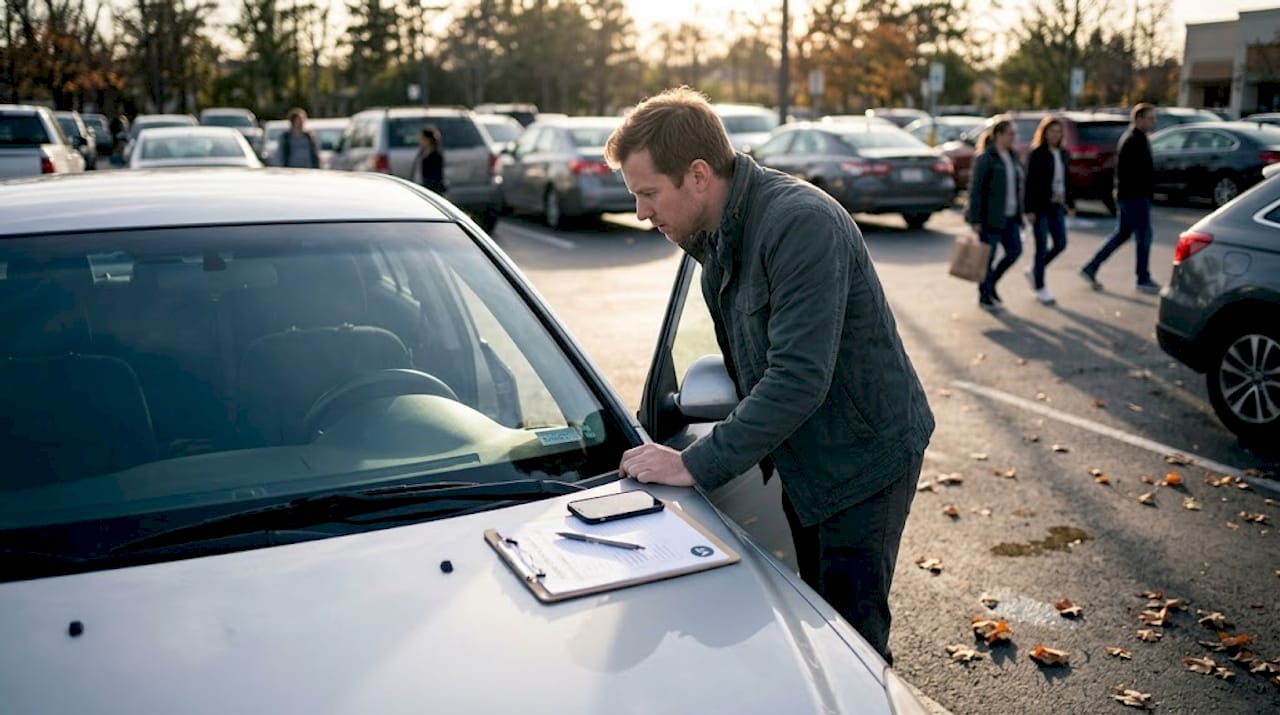
Master the step-by-step VIN lookup process to buy safer used cars. Protect your investment and avoid costly surprises with our complete guide!
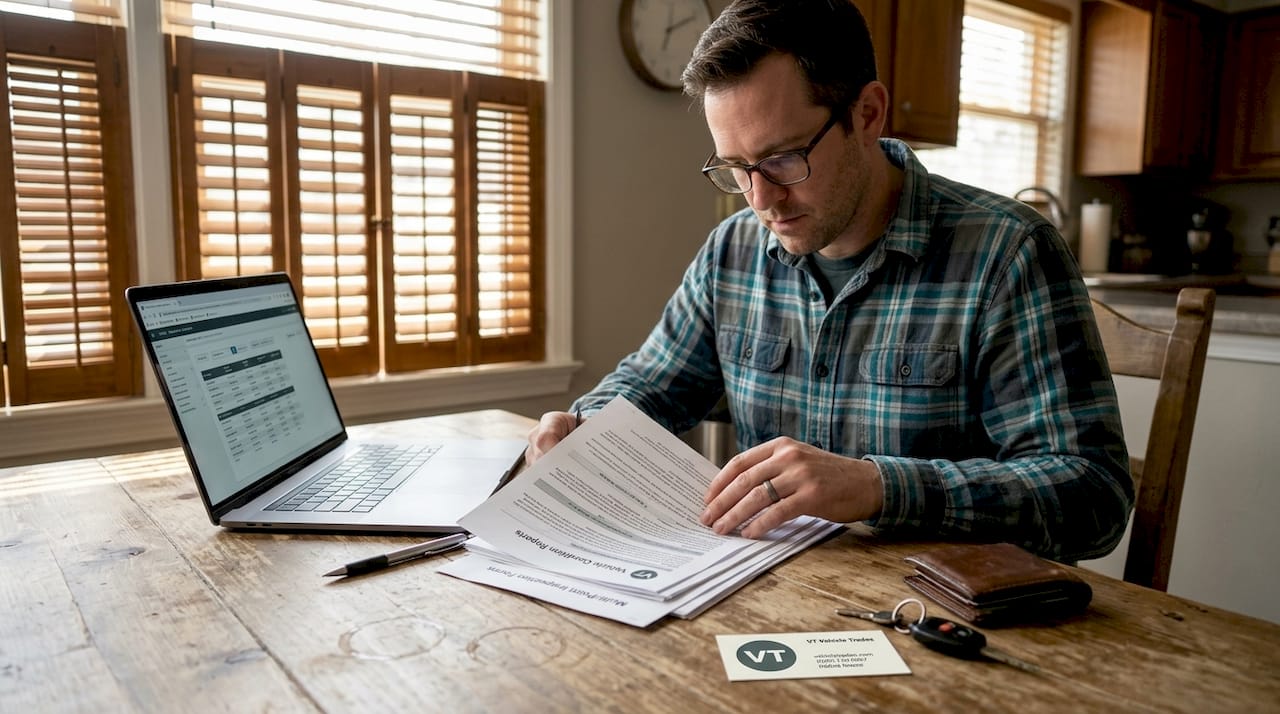
Unlock smarter used car buying by understanding vehicle registration records. Learn to verify a car's history and avoid costly mistakes!