Is a Rebuilt Title Worth Buying? A Buyer's Checklist
Check a vehicle before you buy
Enter a VIN for a free instant preview — accidents, title brands, mileage, liens & open recalls.
Is a Rebuilt Title Worth Buying? A Buyer’s Checklist
For most used-car buyers, a rebuilt title is not worth the risk. The discount is real, but so are the hidden hazards. A rebuilt title means the vehicle was previously declared a total loss, then repaired and passed a state inspection — but that inspection confirms roadworthiness, not repair quality. Consumer Reports recommends a case-by-case approach and generally advises most shoppers to avoid rebuilt-title cars, especially when flooding or structural damage triggered the original salvage brand.
If you’re still considering one, start here before anything else:
- Verify the VIN history using at least two sources (government and commercial) to check for flood brands, odometer discrepancies, and repeated damage events.
- Get an independent pre-purchase inspection from a qualified mechanic, ideally one with collision repair experience.
- Demand repair documentation — receipts, photos of the damage, and photos of the completed repairs — and insist on a meaningful price discount compared to a clean-title equivalent.
Key Takeaways
Checking a specific vehicle?
Run its VIN for a free preview of accidents, title brands, mileage and open recalls.
A rebuilt title can be a rational buy only when a meaningful discount, complete repair documentation, and a clean independent inspection all align — without any one of those three, the risk outweighs the savings.
| Point | Details |
|---|---|
| Rebuilt title definition | A salvage vehicle repaired and passed a state inspection — not a quality guarantee, just a roadworthiness check. |
| Typical discount range | Vektracer guidance puts the fair discount at 20%–40% below clean-title market value, depending on damage type and documentation. |
| Permanent resale haircut | The rebuilt brand stays on the VIN forever, shrinking your buyer pool and trade-in value for the life of the vehicle. |
| Insurance and financing limits | Many insurers decline comprehensive/collision; many lenders decline rebuilt-title collateral — confirm both before making an offer. |
| Vektracer VIN check | Run a Vektracer report ($19.99) to verify title brand history, mileage events, and open recalls before scheduling an inspection. |
Table of Contents
- Is a rebuilt title worth buying, and what does the term actually mean?
- What are the real risks of buying a rebuilt-title car?
- When buying a rebuilt-title car can actually make sense
- How to evaluate a rebuilt-title car before you commit
- How to read VIN and title reports for rebuilt-title cars
- How rebuilt titles affect insurance and financing
- How rebuilt titles affect resale and how to negotiate
- State differences and title-washing risks you need to know
- Should you buy this car? A simple decision framework
- What VIN data actually reveals about rebuilt-title buyers
- Run a VIN check on any rebuilt-title listing before you go further
- Sources
- FAQ
Is a rebuilt title worth buying, and what does the term actually mean?
A rebuilt title sits at the end of a specific chain: the vehicle was first branded salvage (declared a total loss by an insurer), then repaired, then passed a state-mandated inspection, and finally rebranded rebuilt (sometimes called “prior salvage” or “rebuilt/reconstructed” depending on the state). That final inspection is the key distinction between a salvage title and a rebuilt one. Salvage vehicles cannot legally be driven on public roads in most states; rebuilt vehicles can.
What the rebuilt brand does not tell you is why the car was totaled, how thoroughly it was repaired, or who did the work. A hail storm that dented every panel can produce the same salvage brand as a head-on collision that bent the frame. The Texas DMV defines a rebuilt vehicle as a salvage vehicle repaired to roadworthiness that must pass state-mandated inspections — and it explicitly lists independent inspection and insurability checks among buyer considerations.
State rules vary significantly. Some states set total-loss thresholds at 75% of the vehicle’s value; others use 80% or 90%. A few states don’t brand rebuilt titles at all, which creates gaps that fraudsters exploit. Always check your local DMV’s specific definitions before assuming a rebuilt title in one state means the same thing as one issued in another. Vektracer’s guide on what a rebuilt title means breaks down these state-level differences in detail.
What are the real risks of buying a rebuilt-title car?
The risks split into four categories, and they compound each other.
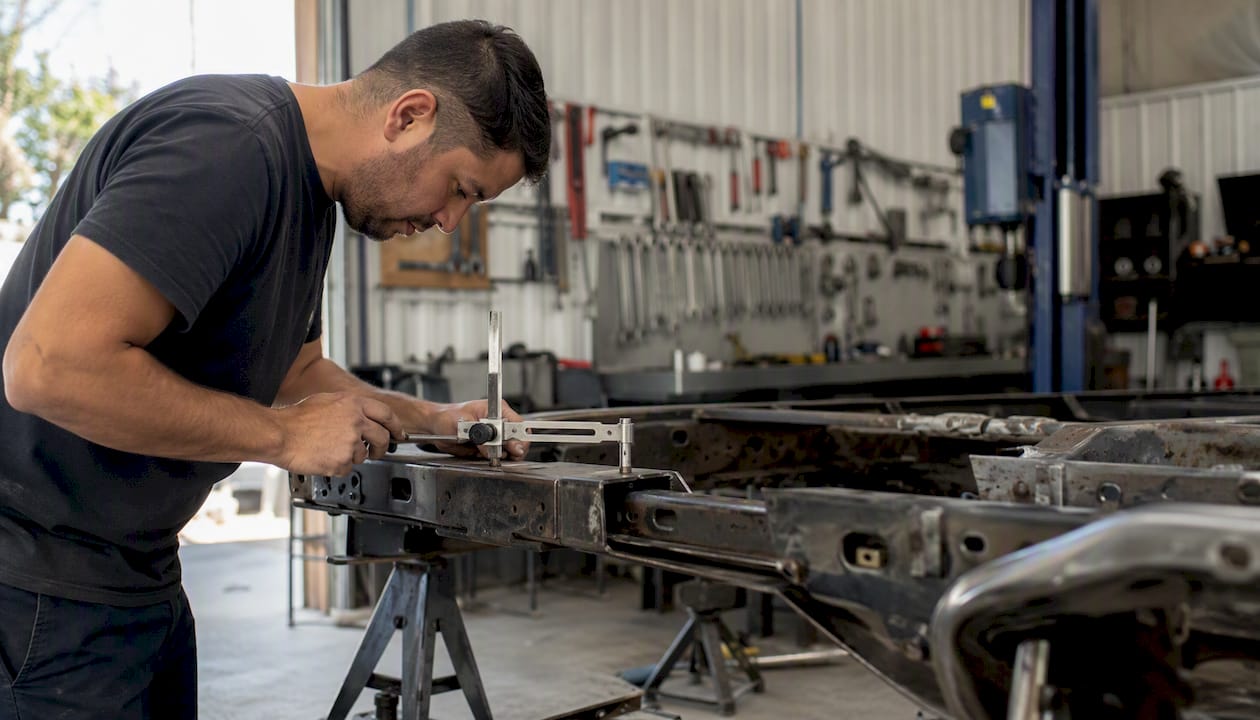
Safety and structural damage are the most serious. Frame damage, poor welds at mounting points, and misaligned suspension geometry can survive a visual inspection and still affect crash performance. Professional rebuilders sometimes use cut-and-weld techniques that look cosmetically clean but leave structural weaknesses. Airbags and seatbelts are another concern: if they deployed in the original accident, they must be replaced — and not every rebuilder does this correctly or documents it.
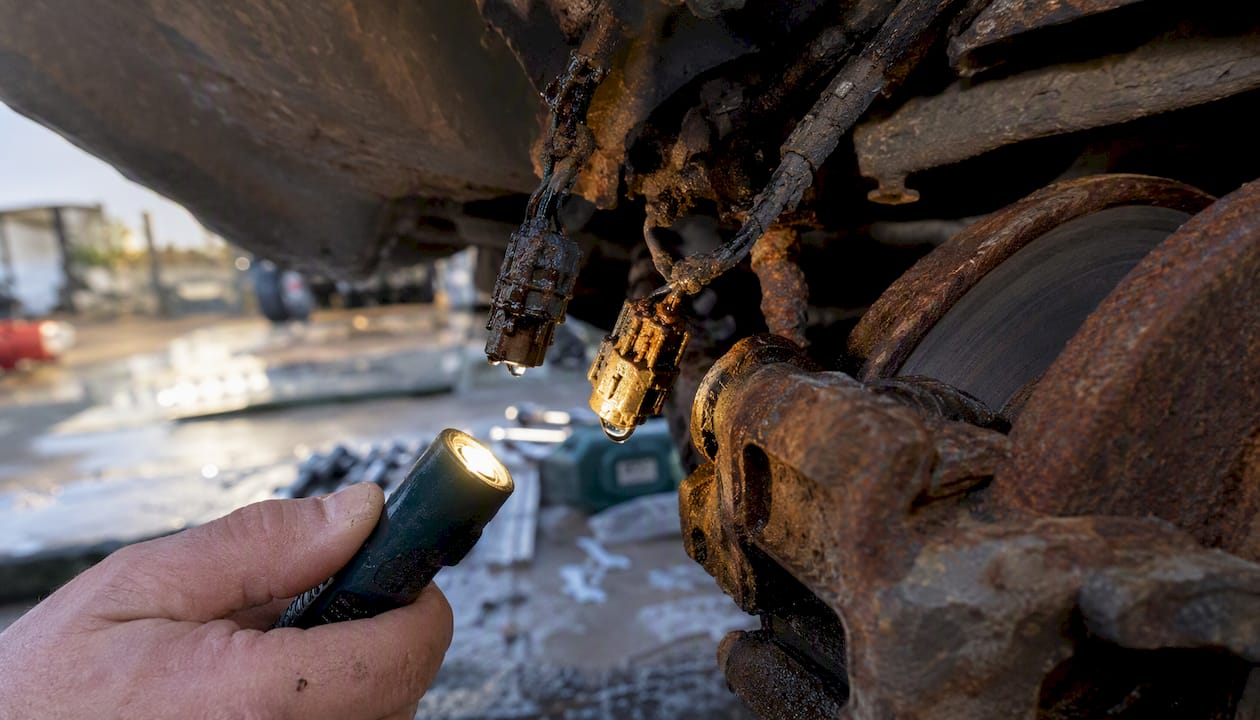
Flood damage deserves its own warning. Corrosion from saltwater or standing water works slowly, attacking wiring harnesses, control modules, and brake components over months or years. Modern vehicles with advanced driver assistance systems (ADAS) are especially vulnerable: a compromised radar sensor or camera calibration issue may not trigger a warning light immediately. Investopedia specifically warns against flood-damaged rebuilt-title vehicles and recommends VIN checks and independent inspections before any purchase.
Insurance and financing create practical ownership barriers. Many insurers will write liability-only policies on rebuilt-title vehicles but decline comprehensive and collision coverage, which means you’re exposed to the full replacement cost if the car is stolen or totaled again. Lenders often refuse to finance rebuilt-title cars outright; those that do may require larger down payments or charge higher rates.
Resale is a permanent problem. A rebuilt brand follows the vehicle’s VIN forever. When you eventually sell, you’ll face the same skeptical buyer pool you’re navigating now — except you’ll be on the other side of the table.
Title-washing scale: Cars that around 630,000 title-washed vehicles are currently on the road — cars whose branded titles were deliberately obscured by moving them across state lines to exploit looser inspection rules.
- Structural/frame damage and poor welds
- Flood corrosion affecting wiring, modules, and brakes
- Airbag, seatbelt, and ADAS system failures
- Limited or no comprehensive/collision insurance
- Lender refusal or higher financing rates
- Permanent resale stigma and narrower buyer pool
- Title-washing and odometer tampering risk
When buying a rebuilt-title car can actually make sense
The exceptions are narrow but real. A rebuilt title can be a rational buy under three specific conditions.
The cause of damage was purely cosmetic. Hail storms that dented body panels without touching the frame or mechanical systems produce salvage brands, but the underlying vehicle may be mechanically identical to a clean-title equivalent. Consumer Reports acknowledges that hail-damaged vehicles can be low-risk when documentation confirms the damage was surface-level. You still need the inspection, but the risk profile is genuinely different from a collision or flood car.
You have a trusted mechanic and a clear repair file. Buyers with access to a skilled, independent mechanic who can verify weld quality, frame alignment, and electrical integrity are in a much stronger position than the average buyer walking a dealer lot. The same applies if you’re buying for parts or as a short-term runaround where resale value is irrelevant.
The price reflects the full risk. A rebuilt-title car priced only 10% below a clean-title equivalent is not a deal — it’s a trap. Vektracer’s rebuilt-title guidance suggests a pricing haircut typically in the 20%–40% range depending on damage type and documentation quality. That discount needs to cover your inspection cost, a repair buffer for issues that surface later, and the permanent resale haircut you’ll absorb when you sell.
How to evaluate a rebuilt-title car before you commit
Follow these steps in order. Skipping any one of them increases your exposure significantly.
-
Ask for the VIN and all repair documentation upfront. Request receipts for every repair, photos of the damage before work began, and photos of the completed repairs. A seller who can’t or won’t provide this is a seller you should walk away from.
-
Run VIN history checks from at least two sources. Use a free government check through NICB VINCheck or the National Motor Vehicle Title Information System (NMVTIS) alongside a paid commercial report. Look specifically for flood brands, repeated damage events, odometer rollbacks, and any gap between the salvage event and the rebuilt inspection. Cross-reference your vehicle title status across both to catch discrepancies.
-
Schedule an independent pre-purchase inspection. This is non-negotiable. Cars.com puts the typical inspection cost at $132–$200 — a small price relative to the risk. Ask the mechanic to check frame alignment, weld seams at structural mounting points, suspension geometry, airbag and seatbelt condition, and all electrical systems including ADAS sensors.
-
Test-drive with specific red flags in mind. Steering pull, uneven panel gaps, odd noises over bumps, warning lights, and inconsistent HVAC or infotainment behavior are all worth noting. These aren’t just comfort issues — they’re diagnostic signals.
-
Call your insurer and any prospective lender before making an offer. Confirm what coverage is available and at what cost. If you need financing, verify the lender will approve a rebuilt-title vehicle. Be ready to walk if the coverage or loan terms don’t work for your situation.
Pricing discipline: Set your maximum offer before you see the car. Start with the clean-title market price for the same make, model, year, and mileage. Then subtract an appropriate discount for the rebuilt title, your inspection cost, and a repair buffer. That number is your ceiling.
Pro Tip: If the damage was structural or flood-related, hire a mechanic who specializes in collision repair or water-damage assessment — not just a general technician. Frame alignment gauges and corrosion checks require specific tools and experience that a standard oil-change shop won’t have.
How to read VIN and title reports for rebuilt-title cars
Not all VIN reports cover the same ground, and understanding what each one does and doesn’t show is the difference between a useful check and a false sense of security.
Government sources (NMVTIS and NICB VINCheck) are free and authoritative for title brands and theft records. NMVTIS aggregates data from state DMVs, insurers, and salvage yards, so it’s the most reliable source for the salvage-to-rebuilt transition. NICB VINCheck focuses on theft and total-loss records. Neither covers every accident or repair event.
Paid commercial reports add accident history, odometer events, service records, and sometimes auction data. They’re worth the cost on a rebuilt-title vehicle because the additional data layers help you spot inconsistencies the seller hasn’t disclosed. Experian recommends using vehicle history reports and considering a cash purchase when lenders or insurers restrict standard options.
Key fields to inspect in any report:
- Title brand history (salvage date, rebuilt date, issuing state)
- Repeated damage events or multiple total-loss entries
- Odometer rollback flags or mileage inconsistencies
- Lien status (an open lien on a rebuilt-title car is a serious red flag)
- Open safety recalls
- Auction records showing pre-sale condition grades
What no report guarantees: A clean report does not mean a clean car. Title washing, unreported repairs, and state inspection gaps all create blind spots. Use reports to probe the seller, not to replace the physical inspection.
Reading tip: When a report shows a large insurance claim followed by a gap in mileage records, ask the seller for repair bills that cover that exact period. A legitimate rebuilder will have them. Silence or vague answers at this stage is a reason to walk.
For a step-by-step approach to running these checks, Vektracer’s guide on how to check car history walks through each source in sequence.
How rebuilt titles affect insurance and financing
Insurance is the first practical wall most buyers hit. Many major insurers will write a liability-only policy on a rebuilt-title vehicle — enough to meet legal driving requirements in most states — but decline comprehensive and collision coverage. That leaves you personally responsible for the full repair or replacement cost if the car is damaged or stolen again.
Some specialty insurers do offer full coverage on rebuilt-title vehicles, but premiums tend to be higher and coverage terms more restrictive. The only way to know what’s available for a specific vehicle is to call before you buy.
- Liability coverage: Generally available from most insurers; meets minimum legal requirements.
- Comprehensive and collision: Often declined or restricted; shop specialty insurers if needed.
- Lender financing: Many lenders decline rebuilt-title vehicles outright. Those that approve may require a larger down payment or charge a higher interest rate to offset their collateral risk.
- Cash purchase: Experian advises that a cash purchase or an unsecured personal loan is often the most practical path when standard auto financing is unavailable.
Call your insurer with the specific VIN before scheduling an inspection. If the coverage terms are unacceptable, the deal is off — no matter how good the price looks.
How rebuilt titles affect resale and how to negotiate
The rebuilt brand is permanent. It stays on the vehicle’s title and VIN history regardless of how well the car was repaired or how many years pass. When you sell, you’ll face a smaller buyer pool, longer time on market, and a lower ceiling price than a comparable clean-title vehicle.
That permanent haircut should shape your purchase price from the start. Vektracer’s guidance puts a typical discount range below clean-title market value, with the gap varying depending on damage type and documentation.
Negotiation approach: Pull clean-title listings for the same make, model, year, and mileage in your area. Use that number as your anchor. Then itemize your deductions: the inspection cost, a repair buffer for issues that emerge in the first year, and the resale discount you’ll absorb in exit. Present these as line items, not as a single lowball number — it signals that you’ve done the homework and aren’t guessing.
Set a walk-away price before you sit down. If the seller doesn’t meet a number that genuinely compensates for the risk, the car isn’t a deal at any price they’re willing to accept.
State differences and title-washing risks you need to know
Title-washing is the practice of moving a vehicle to a state with looser inspection standards or higher total-loss thresholds to have a salvage brand removed or replaced with a clean title. The result is a car that looks clean on paper but carries all the original damage history.
Red flags that suggest title-washing:
- The rebuilt inspection state doesn’t match the state where the salvage event occurred.
- VIN report data from NMVTIS and a commercial report show different title histories.
- The seller can’t produce state inspection paperwork that matches the rebuild event date.
- Mileage records show a gap around the time the title brand changed.
State inspection rigor varies widely. Some states require detailed structural inspections before issuing a rebuilt title; others require only a basic safety check. A rebuilt title issued in a permissive state carries more uncertainty than one from a state with strict inspection requirements.
Pro Tip: Run the VIN through both NMVTIS and a paid commercial report and compare the title brand histories side by side. Any discrepancy between what the two sources show for the same vehicle is a direct question to put to the seller — with documentation required before you proceed.
- Check that the state issuing the rebuilt title matches where the salvage event occurred.
- Compare NMVTIS and commercial report title histories for any mismatch.
- Demand state inspection receipts dated to match the rebuild event.
- Verify the inspection state’s standards through its DMV website.
Vektracer’s vehicle title check guide covers how to read state DMV records alongside commercial reports to catch these discrepancies.
Should you buy this car? A simple decision framework
Use this checklist as a go/no-go filter. Every “no” is a reason to walk away or renegotiate before proceeding.
Proceed only if all of these are true:
- VIN history is clear of flood brands and odometer rollbacks across both NMVTIS and a commercial report.
- Independent mechanic inspection confirms frame integrity, weld quality, airbag/seatbelt status, and electrical systems.
- Seller has provided repair receipts and damage photos covering the full rebuild event.
- At least one insurer will write liability coverage, and you’ve confirmed whether collision/comprehensive is available.
- The asking price is at least 20% below a comparable clean-title vehicle, after accounting for inspection cost and a repair buffer.
Avoid rebuilt-title cars entirely if:
- You depend on the vehicle for daily commuting and can’t absorb unexpected downtime.
- You need to finance most of the purchase price and your lender won’t approve rebuilt-title collateral.
- You plan to sell or trade in within a few years and need predictable resale value.
- The damage cause was flood or major structural collision and documentation is incomplete.
The result is your maximum offer.
What VIN data actually reveals about rebuilt-title buyers
Most rebuilt-title purchases that go wrong share a common pattern: the buyer skipped at least one of the three core checks — VIN history, independent inspection, or repair documentation — because the price looked compelling and the car looked clean.
A rebuilt title is a permanent discount tag. That’s not a metaphor; it’s a literal description of how the market prices these vehicles for their entire remaining life. The discount can be rational when documentation and inspection fully back the seller’s story. When they don’t, the discount is the seller’s way of offloading a problem they understand better than you do.
The failure modes that show up repeatedly in VIN data: missing repair receipts for the period between the salvage event and the rebuilt inspection, mileage inconsistencies that suggest odometer tampering, and flood brands that were obscured through cross-state title transfers. These aren’t rare edge cases. They’re common enough that every rebuilt-title purchase deserves the same level of scrutiny regardless of how credible the seller seems.
A thorough VIN report won’t catch everything, but it will surface the inconsistencies that give you the right questions to ask. That’s the point: not to replace judgment, but to give you the data to exercise it.
Run a VIN check on any rebuilt-title listing before you go further
Before you schedule a mechanic or make an offer, run the VIN. A Vektracer vehicle history report pulls title brand history, accident records, mileage verification, theft checks, open safety recalls, and lien status — all the fields that matter most for a rebuilt-title evaluation. Reports start at $19.99, compared to $44.99 for Carfax and $24.99 for AutoCheck, and draw from NMVTIS-connected sources for the same core data.
When you open the report, go to the title brand section first: confirm the salvage date, the rebuilt date, and the issuing states. Then check the mileage timeline for any gaps or rollbacks. Finally, review open recalls and lien status before you spend money on an inspection. See Vektracer’s pricing options and run the VIN check before your next step.
Sources
Government and official title resources:
- Should You Buy a Car With a Rebuilt Title? - Consumer Reports
- Rebuilt Car Titles: Advantages, Risks, and Buyer Tips - Investopedia
- Cars
- Rebuilt title guidance - Texas Department of Motor Vehicles
Consumer and industry guidance:
Vektracer resources:
FAQ
Should you avoid buying a car with a rebuilt title?
Most buyers should avoid rebuilt-title cars, particularly when the damage involved flooding or structural impact. Consumer Reports recommends a case-by-case approach, with hail-only damage being the clearest exception when documentation is complete.
Why do rebuilt-title cars struggle to sell?
The rebuilt brand is permanent on the vehicle’s VIN history, which signals prior total-loss status to every future buyer. That permanent record shrinks the buyer pool, extends time on market, and keeps resale prices well below clean-title equivalents regardless of repair quality.
Does insurance cost more for a rebuilt-title car?
Many insurers decline comprehensive and collision coverage on rebuilt-title vehicles entirely, limiting you to liability-only policies. Specialty insurers may offer fuller coverage, but at higher premiums — call with the specific VIN before you buy to confirm what’s available.
Is a rebuilt-title car reliable?
Reliability depends entirely on what caused the salvage brand and how thoroughly the repairs were done. A hail-damaged car with a complete repair file and a clean independent inspection can be mechanically sound; a flood or frame-damaged vehicle carries chronic risk that may not surface for months.
What’s the best first step before buying a rebuilt-title car?
Run a VIN history check through NMVTIS or a paid service like Vektracer to verify the title brand history, mileage timeline, and open recalls — then schedule an independent mechanic inspection before making any offer.
Recommended
Ready to check a vehicle?
Enter any 17-character VIN for a free instant preview — no account needed.