Best Used Cars to Buy Under 20000: A 2026 Buyer's Guide
Check a vehicle before you buy
Enter a VIN for a free instant preview — accidents, title brands, mileage, liens & open recalls.
If you're shopping for the best used cars to buy under 20000, start with the 2019-2021 Honda Accord, the 2020 Mazda3, and a 2020-2022 Toyota Camry. But the true best car isn't the badge on the trunk. It's the specific car with a verified clean history and a low-risk record.
You're probably staring at listings right now that all look fine. Clean photos, decent mileage, seller says "well maintained." That means very little. A good model can still be a terrible buy if it has title issues, hidden damage, mileage problems, or skipped maintenance.
My advice is simple. Pick from proven model lines first, then verify the exact vehicle like a skeptic. That's how you avoid overpaying for someone else's problem.
The Best Used Cars Under $20000 At a Glance
Checking a specific vehicle?
Run its VIN for a free preview of accidents, title brands, mileage and open recalls.
Most buyers waste time chasing trim names and touchscreen features. Start with vehicles that have a strong reputation for durability, sensible ownership costs, and broad parts availability. Then narrow down by body style and how you'll use the car.
Here are the top candidates I'd put on a short list.
| Model | Recommended Years | Est. Price Range | Key Strength | Primary Risk Factor |
|---|---|---|---|---|
| Honda Accord | 2019-2021 | $17,500-$19,500 | Balanced reliability, safety, space | Turbo powertrain neglect, deferred maintenance |
| Toyota Camry | 2020-2022 | Under $20,000 in many listings | Safe default sedan choice, easy ownership | Overpriced examples with weak maintenance records |
| Mazda3 Hatchback | 2020 | $19,504 average used price | Small-car value, solid safety, upscale feel | Tight rear space, cosmetic neglect on urban cars |
| Mazda CX-5 | 2017-2020 | Under $20,000 in many cases | SUV practicality without CVT problems | Higher wear from family use, tire and suspension neglect |
| Toyota Avalon | 2013-2018 | Under $20,000 in many cases | Long-haul comfort and durability | Older age means more history to verify |
| Toyota Tacoma | 2012-2015 | Under $20,000 in many cases | Exceptional truck durability | Hard use, towing wear, off-road abuse |
The broad pattern is clear. Sedans still give you the safest value play under this budget. Hatchbacks and compact SUVs make sense if you need flexibility. Trucks and older full-size sedans can be excellent, but only if the history checks out.
Bottom line: Model reputation gets you to the right aisle. A vehicle history report gets you to the right car.
For buyers searching "best used cars to buy under 20000," that's the framework I trust. Start with the shortlist above, then eliminate anything with sketchy paperwork, inconsistent mileage, or signs of neglect.
Deep Dive The Reliable Workhorse Sedans
You find two clean-looking midsize sedans on a lot for the same money. One has a shiny detail job and a vague story. The other has a thick folder of service records, a clean VIN trail, and boring tires from a mainstream brand. Buy the boring one.
That is why midsize sedans still make the best value play under $20,000. They usually deliver the lowest ownership drama per dollar if you stay disciplined about verification. The badge matters less than the file attached to the car.
The two workhorses here are the Honda Accord and Toyota Camry. Both can be smart buys. Both can also be expensive mistakes if the VIN history, service pattern, and wear signs do not line up.
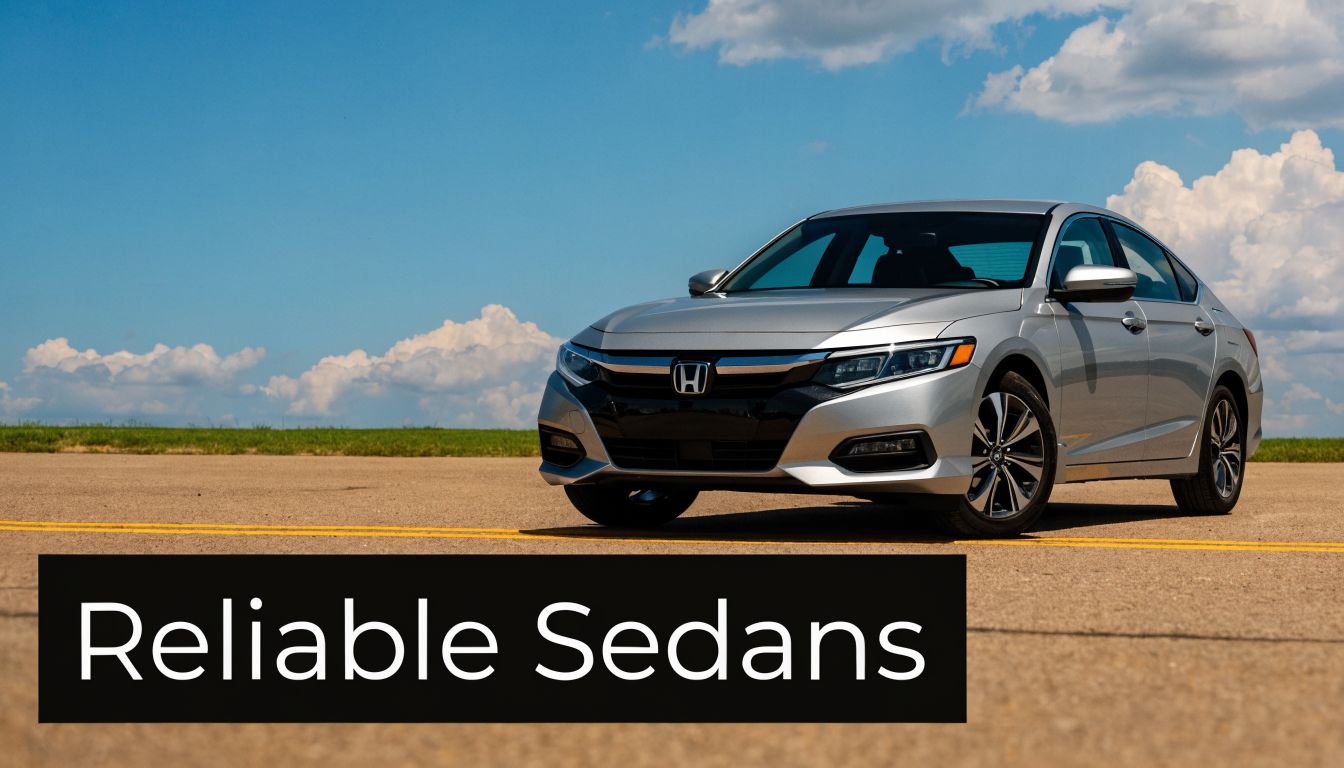
Why the Honda Accord sets the standard
The 2019 Honda Accord earns its reputation because it gets the basics right. Space, comfort, resale, and safety equipment are all there. Kelley Blue Book placed it at the top of its best used cars under $20,000 list, with average market pricing in the high teens, which is exactly where many careful buyers need it to land.
I like the Accord because it works for a wide range of owners without feeling stripped down. Family car, commuter, highway car, occasional road-trip car. It handles all of that without asking truck money or luxury-car repair money.
Still, the Accord is not a free pass.
The 1.5-liter turbo cars need proof of regular oil service. Skip that proof and the risk score goes up fast. If the seller cannot show consistent maintenance, or the VIN report shows long gaps, auction movement, or mileage oddities, treat that car as a problem until it proves otherwise.
Where the Toyota Camry makes its case
The Camry is the easier emotional buy because it has a simple reputation. It starts, runs, and rarely surprises owners if it has been cared for. That reputation also creates a trap. Sellers know buyers trust the name, so rough examples often get priced like clean ones.
My advice is simple. Shop the specific car, not the Camry legend.
Use this filter to compare Accord and Camry:
| If you want... | Pick |
|---|---|
| More rear-seat comfort and a more premium daily-driver feel | Accord |
| A straightforward commuter with a long track record for low-drama ownership | Camry |
| Better documentation, cleaner VIN history, and obvious signs of careful ownership | That specific car, regardless of badge |
That last row matters most. A lower-risk Camry beats a neglected Accord. A lower-risk Accord beats a Camry with missing records, accident history, or clear signs of corner-cutting maintenance.
Use a simple risk score before you get attached
This is the part buyers skip. They pick a model first, then try to justify a bad example of it. Flip that process.
Score each sedan on five points before you schedule a pre-purchase inspection:
- VIN history: Clean title, consistent mileage, no salvage, no flood, no repeated auction flips
- Service records: Regular oil changes, brake work, tires, fluids, and recall completion
- Wear consistency: Interior, tires, and paint should match the stated mileage
- Mechanical behavior: Cold start, idle quality, transmission behavior, brake feel, and suspension noise
- Seller credibility: Clear answers, full VIN shared upfront, no pressure, no story that changes
If one of these categories looks weak, the car drops down the list. If two look weak, walk away.
What I would check on the lot
Start with the tires. Cheap mismatched tires usually mean cheap ownership habits. Then check panel gaps, windshield branding, and headlight dates. Those clues often expose prior damage before a seller admits anything.
Inside, compare the driver's seat bolster, steering wheel shine, and pedal wear to the odometer reading. If the cabin says 140,000 miles and the dash says 72,000, trust the cabin. On the test drive, do a true cold start if you can. Listen for rattles, watch for smoke, and pay attention to how the transmission behaves in low-speed stop-and-go traffic.
Then run the VIN and stack the report against what you see in person. That is how you avoid paying top dollar for a car with hidden risk.
If you want a good reminder that long-term ownership details matter more than glossy listings, this 2002 Acura TL Type S owner's guide shows how patterns of maintenance and wear tell the true story.
Deep Dive Smart Alternatives for Utility and Style
You find two clean-looking cars under $20,000 on the same day. One is a hatchback with tight panel fit, even tire wear, and a seller who hands over the VIN without a speech. The other is a small SUV with shiny paint, no records, and a vague answer about a minor accident. Buy the first one every time. Body style does not lower risk. Verification does.
For buyers who want more flexibility than a midsize sedan, the smart picks here are the Mazda3 Hatchback and Mazda CX-5. Both can be good buys. Neither gets a free pass. The right choice depends less on the badge and more on how the specific VIN scores on ownership history, damage exposure, and inspection results. That is the difference between a car you enjoy and a car that drains your budget.
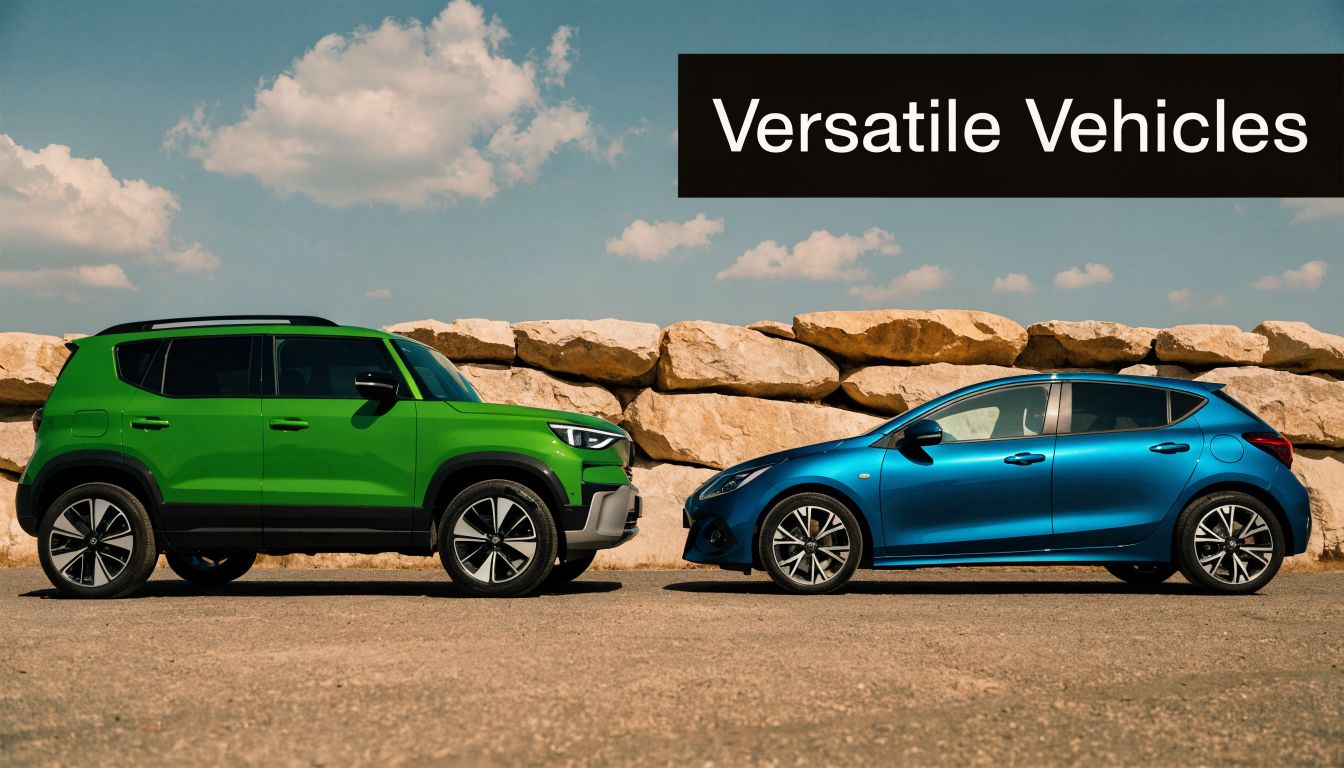
Mazda3 Hatchback for buyers who want style without extra risk
The Mazda3 Hatchback is the better pick for buyers who do not need SUV space. It usually gives you a nicer cabin, better driving manners, and lower running costs than many small crossovers in the same price range. More important, it is easier to judge. A hard-used compact hatch tends to show its history fast through curb rash, cargo-area damage, worn seats, and neglected tires.
I like this car because it rewards careful shopping. A clean example feels more expensive than it is, but it does not come with the repair exposure of an older luxury badge. That matters under $20,000, where one bad transmission repair or one poorly fixed collision can wipe out the value of a “good deal.”
Use a simple risk filter before you get attached:
- Low risk: clean title, consistent service history, stock condition, matching tires, no fresh repaint clues
- Medium risk: gaps in records, cheap replacement tires, cosmetic mods, one minor damage event that matches what you see
- High risk: salvage or rebuilt history, multiple owners in short periods, repeated auction movement, accident notes that do not line up with the body and glass dates
If you want a stylish daily driver, buy the Mazda3 only when it lands in the low-risk bucket. Anything else defeats the point.
Mazda CX-5 for buyers who need utility and can inspect harder
The CX-5 makes sense for strollers, dogs, home-improvement runs, and bad-weather commuting. It also attracts a different ownership pattern than a compact hatchback. More short trips. More curb hits. More rear suspension wear. More cargo-area abuse. That does not make it a bad bet. It means your standards need to be stricter.
A small SUV can hide wear better than a sedan or hatch. Buyers sit higher, sellers clean them up well, and the extra space makes people forgive problems they should not forgive. Do not do that. If you are shopping a CX-5, look closely at liftgate alignment, bumper fasteners, cargo trim, and uneven rear tire wear. Those clues tell you how the vehicle lived.
I would also score the VIN before I score the features. A useful way to do that is to review the car through a vehicle history-first buying approach that focuses on hidden risk before price or trim. The goal is simple. Give each candidate a pass, caution, or walk-away rating before you start comparing leather seats and screen size.
Which one I would pick
Buy the Mazda3 Hatchback if you want the safer bet on day-to-day costs and you do not regularly carry bulky gear or back-seat passengers. It is the smarter choice for commuters, city drivers, and buyers who want something that feels good without taking on luxury-car risk.
Buy the Mazda CX-5 if your life needs the space. Not occasionally. Weekly. If that is you, pay extra attention to suspension condition, tire history, and signs of prior rear-end repair.
Here is the blunt version:
| Need | Better fit |
|---|---|
| Lower ownership risk and lower routine costs | Mazda3 Hatchback |
| Regular cargo duty and family use | Mazda CX-5 |
| Easier urban driving and parking | Mazda3 Hatchback |
| Higher seating position and more flexibility | Mazda CX-5 |
A stylish used car is only a smart buy when the VIN history, wear pattern, and inspection all agree. If they do not, skip it and keep shopping.
Why Vehicle History Outweighs Model Reputation
Two cars can sit on the same lot with the same badge, same year, and similar mileage. One will be a cheap, durable buy. The other will drain your budget with hidden repair work, skipped maintenance, or title trouble. The model name does not decide that. The VIN does.
That is why smart buyers start with the specific vehicle, not the reputation of the brand. A Honda, Toyota, or Mazda with poor records is still a bad bet. A less glamorous model with clean history, consistent service, and no major damage can be the safer purchase.
Use reputation as a filter. Use history as the decision-maker.
High mileage alone does not scare me. Unexplained mileage does. So do service gaps, repeated auction sales, salvage branding, airbag deployment records, flood exposure, and odometer inconsistencies. Those are the details that change ownership cost fast. A car can earn a good name over thousands of examples and still be the wrong car in front of you.
A better way to shop is to score risk before you score features. Start with a vehicle history-first buying approach that focuses on hidden risk before price or trim. Then give each car a simple rating:
- Pass: clean title history, consistent mileage, believable service records, no signs of major structural repair
- Caution: minor damage, incomplete records, or ownership patterns that need explanation
- Walk away: salvage or rebuilt title, flood history, odometer concerns, repeated major damage, or seller stories that do not match the paperwork
That framework keeps you from overpaying for a "reliable" model that has already lived a hard life.
Mechanical condition still matters. History reports miss plenty. Poor repairs, weak charging systems, misfires, transmission shudder, and hidden warning light resets show up during inspection and scan-tool work, which is why the importance of automotive diagnostics should be part of your process, not an afterthought.
Here is the blunt rule I use:
The badge tells you the model's track record. The VIN tells you whether this car still deserves your money.
That is the difference between shopping by reputation and buying with discipline.
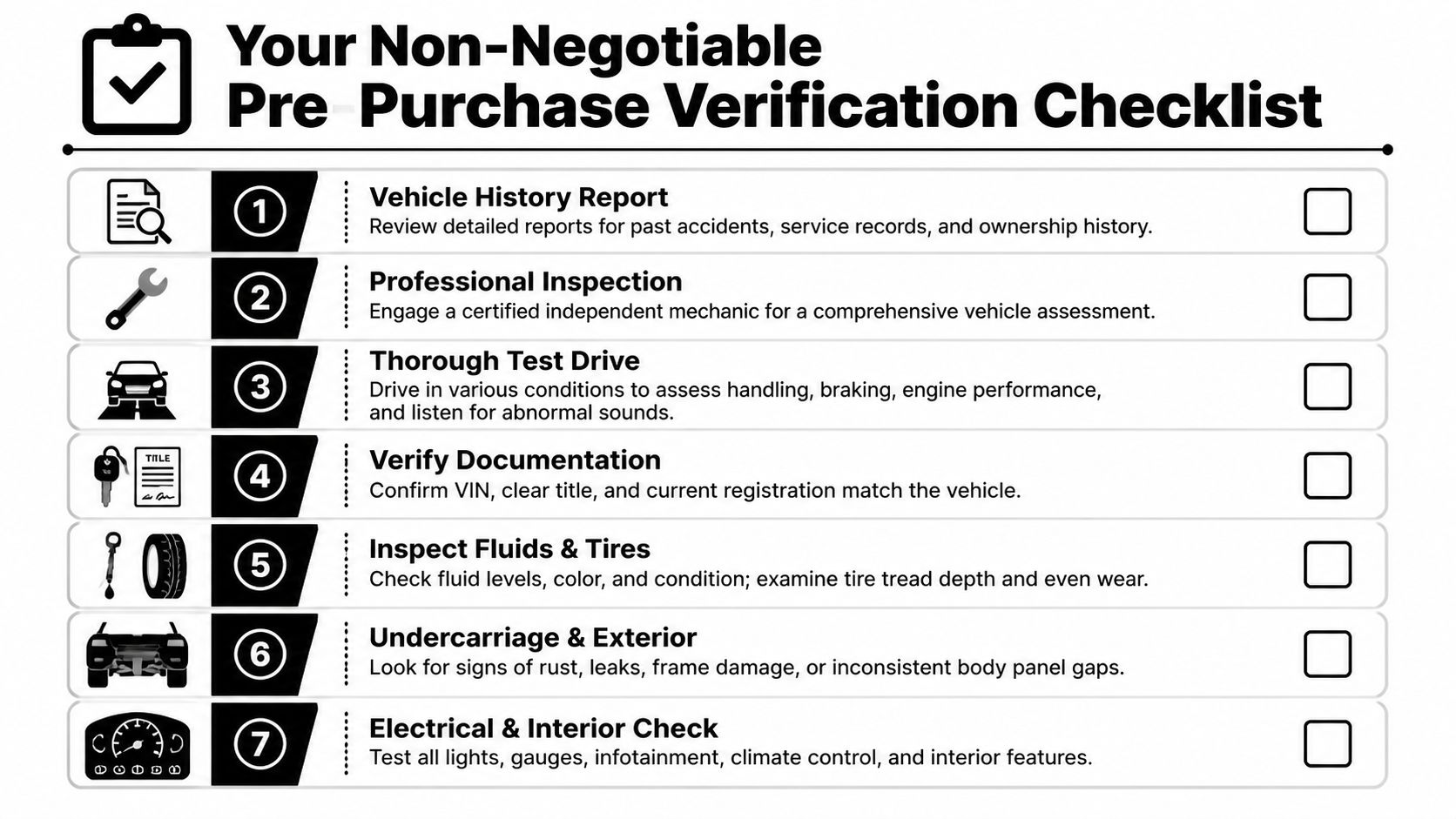
Your Non-Negotiable Pre-Purchase Verification Checklist
For most buyers, this stage determines if they protect themselves or get burned. Generic buying guides tell you which cars are popular. They don't do enough to help you verify the one you're about to hand money to.
That's a problem, because the verified data says 20-30% of used cars under $20k have title issues or discrepancies, and it also identifies Risk Score tools using a 1-100 rating plus side-by-side comparison as a way to catch what standard reviews miss, based on the used car guide gap analysis tied to MotorTrend context.
Start with the VIN, not the test drive
Before you get emotionally attached, get the VIN.
If a seller won't share it early, move on. You need it to verify title status, damage records, mileage consistency, theft records, lien information, recall history, and market-specific details. If you're shopping across borders or near them, use a proper VIN check USA tool or a dedicated VIN check Canada report, depending on where the car has lived.
Don't rely on seller screenshots. Pull your own vehicle history report.
Use this checklist on every car
Run through these steps in order:
Get the VIN early
Don't wait until you're ready to buy. Run the history before you spend time driving across town.Read the report for patterns, not just red flags
One line item doesn't tell the whole story. Repeated registration changes, title branding, insurance events, or mileage inconsistencies are what should make you stop.Verify the paperwork matches the car
The VIN on the dashboard, door sticker, title, and registration should line up. No excuses.Book an independent mechanical inspection
A seller's mechanic isn't your mechanic. Use your own shop. This companion guide on a pre-purchase car inspection is worth reading before you schedule one.Drive it in normal conditions
City streets, braking, parking lot turns, uneven pavement, and highway speed all reveal different problems.Check underneath and around the body
Look for rust, leaks, damaged splash shields, bad panel gaps, overspray, or obvious repair shortcuts.Test every interior function
Windows, locks, infotainment, backup camera, climate control, seat functions, and all warning lights.
What a strong report should help you answer
A report should make these questions easier to answer:
- Has the mileage stayed consistent?
- Is the title clean and transferable?
- Any theft or lien concerns?
- Any accident or damage history that changes the value?
- Are recalls still open?
If you're weighing whether premium reports are worth paying for, compare the depth and usability yourself with a CARFAX comparison page for report buyers. This matters if you're asking practical questions like carfax worth it or researching carfax pricing 2026 alternatives before paying for multiple reports.
Mechanical inspection still matters
A report can't hear a suspension clunk. It can't feel a slipping transmission on an uphill merge. It can't smell coolant or burnt oil after a test drive.
That's why I always pair history verification with diagnostics and a physical inspection. If you want a quick refresher on what modern scan-based checks can uncover, this write-up on the importance of automotive diagnostics gives useful context.
Practical rule: A clean report is permission to inspect further. It is not permission to skip the inspection.
If you're comparing more than one car
At this stage, buyers usually get sloppy. They fall in love with the first clean-looking listing and stop comparing.
Do the opposite. Compare at least two or three vehicles side by side. When one car has better paperwork, cleaner inspection results, and fewer ownership question marks, buy that one even if the color is boring or the wheels are ugly.
That's how smart used-car buying works. You don't buy the nicest listing. You buy the safest bet.
How to Negotiate and Finance Your Purchase Smarter
Once you've verified a car properly, you have an advantage. Not a false one from the dealership. A genuine advantage.
A clean vehicle history, a mechanic's notes, and realistic ownership costs give you a clear ceiling on what the car is worth to you. If the seller wants more, let them keep it.

Use total cost, not just sticker price
Fuel economy matters because it changes the actual cost of ownership. The verified benchmark here is the Carsoup efficiency reference for budget-friendly used cars, which notes a 2024 Hyundai Sonata at $22,510 achieves 27-29 mpg and frames fuel use as part of a broader Total Cost of Ownership calculation.
Use that the right way. If one used car is cheaper upfront but has worse efficiency, questionable mileage, and more wear, it may still be the more expensive car to own.
Bring these points into negotiation:
- History problems the seller didn't mention
- Open recalls or incomplete records
- Inspection findings that need attention
- Fuel economy and mileage realities
- Tire, brake, or fluid service due immediately
Don't turn it into theater. Just present facts and make your offer.
If the seller says, "Someone else is coming to see it," let them. Desperation is expensive.
Financing rules that keep buyers out of trouble
If you're financing, get pre-approved before you visit the dealership. That keeps the conversation focused on the vehicle price, not a stretched monthly payment.
A few no-nonsense rules:
- Know your loan terms before you shop
- Compare lender offers, not just dealership payment quotes
- Refuse to negotiate from monthly payment alone
- Keep room in your budget for immediate maintenance
If you're trying to understand what lenders tend to consider, this guide to auto lender credit score insights is a useful primer before you apply.
Dealership buying has its own traps, too. If that's your route, read this guide on how to buy a used car from a dealer before you sign anything.
Frequently Asked Questions About Buying a Used Car
What's the safest body style under this budget?
A midsize sedan is still the safest answer. It usually gives you the best mix of reliability, comfort, fuel economy, and manageable repair costs. That's why the Accord keeps showing up near the top of serious shortlists.
Is a high-mileage car automatically a bad idea?
No. A high-mileage car with clean records and obvious maintenance can be a better purchase than a lower-mileage car with title issues, accident history, or signs of neglect. History and condition matter more than one number on the odometer.
Should I buy from a private seller or a dealer?
Either can work. Private sellers sometimes offer better pricing. Dealers may offer more convenience and paperwork support. In both cases, you still need the VIN, a vehicle history report, and an independent inspection.
Is a vehicle history report enough on its own?
No. It's necessary, but it isn't enough. A report helps uncover title, mileage, theft, lien, and damage concerns. It doesn't replace a real inspection, a proper test drive, or common sense.
What if two cars look equally good?
Pick the one with the cleaner documentation and the easier-to-explain past. If one car has fewer unanswered questions, that's your answer.
Are compact SUVs worth it under $20,000?
Yes, if you need the space. If you don't, a sedan often gives better value. Buy the body style that fits your life, not the trend.
How do I know when to walk away?
Walk when the seller avoids VIN questions, records don't line up, the title situation feels messy, or the inspection reveals more problems than the deal is worth. There will always be another car.
If you're narrowing down listings and want to verify the one that deserves your money, VekTracer gives you a fast way to check VIN history, spot title and mileage issues, and compare vehicles before you commit. That's the smartest next step when a car looks good on the surface but you want proof.
Ready to check a vehicle?
Enter any 17-character VIN for a free instant preview — no account needed.