Top 10 Best Used Cars to Buy: 2026 Buyer's Guide
Check a vehicle before you buy
Enter a VIN for a free instant preview — accidents, title brands, mileage, liens & open recalls.
Finding the right used car can feel like walking through a lot full of polished paint, vague promises, and problems you won't see until after the sale. The top 10 best used cars to buy in 2026 are the ones that still make financial sense after the test drive, after the inspection, and after the first repair bill comes due. This shortlist focuses on models with strong reputations, practical ownership value, and buyer-friendly track records.
You don't need a huge list. You need a usable one. Below is a buyer's dossier for each vehicle, including the years I'd target first, what kind of shopper it fits best, and the red flags that should make you slow down and pull a vehicle history report before signing anything.
1. Toyota Camry The Reliability Benchmark
Checking a specific vehicle?
Run its VIN for a free preview of accidents, title brands, mileage and open recalls.
If your priority is low drama, the Toyota Camry belongs near the top of your list. It has a long record of being the sedan people buy when they want transportation, not a project. For commuters, small families, and buyers who plan to keep a car for years, that's a real advantage.
The appeal is simple. The Camry is roomy enough for daily life, easy to service, and widely available in the used market, which gives you bargaining power when one seller overprices a car.
Buyer's dossier
Best years to target are usually later years within a generation, especially if you want more safety features and fewer first-year glitches. Worst years are usually the first model year after a redesign, unless the car has an unusually clean service history and passes inspection.
A typical 2026 price range depends heavily on mileage, trim, and region, so I wouldn't give one blanket number here. Instead, compare similar Camrys by mileage, title status, and service records before you compare paint color or wheel design.
Here are the VekTracer report issues I'd watch most closely:
- Odometer consistency: A Camry with suspiciously low mileage for its age deserves extra scrutiny.
- Title branding: Rebuilt, salvage, or flood history can erase the reliability advantage.
- Accident severity: One minor claim isn't the same as structural damage.
- Service gaps: Long ownership gaps without maintenance records can matter on any used sedan.
Practical rule: A clean-model Camry with boring history beats a nicer trim with a messy past.
Before seeing any Camry in person, use a basic used car inspection checklist. It helps you focus on the details buyers skip, like tire wear patterns, warning lights, and signs of poor body repair.
2. Honda CR-V The Practical Compact SUV
The Honda CR-V works for buyers who need one vehicle to do almost everything. School runs, groceries, weekend trips, city parking, and bad weather all fit comfortably within its skill set. It isn't the flashiest SUV, but it gets the job done without feeling oversized.
What makes the CR-V stand out is packaging. You get useful cargo room, easy entry and exit, and a driving position many buyers prefer over a sedan.
Buyer's dossier
I'd prioritize later years in a generation over early ones when prices are close. That's usually where you get the most refined version of the platform, plus fewer surprises from first-year changes.
The weak point with used CR-V shopping isn't the model itself. It's overconfidence. Buyers assume all CR-Vs are safe bets and skip history checks, which is how they end up with flood cars, previous rentals with rough use, or repaired collision units that look fine in photos.
Watch for these report flags:
- Frequent ownership changes: Short ownership cycles can suggest unresolved issues.
- Lien or title complications: Clear paperwork matters as much as mechanical condition.
- Insurance total-loss history: A compact SUV can hide major prior damage well.
- Open recalls: Verify whether the work was completed before purchase.
A CR-V makes a lot of sense for a parent buying one vehicle for mixed family use. It also works well for a new driver who wants more visibility than a compact sedan, provided the specific vehicle has a clean history.
If you're shopping this segment, read how to avoid buying a lemon before meeting sellers. The CR-V is popular enough that rushed buyers often pay too much for average examples.
3. Mazda3 The Fun-to-Drive Compact
A lot of buyers reach the compact-car stage after owning something bigger and duller. They still want low running costs, but they are tired of numb steering, weak seats, and cabins that feel built to a price. The Mazda3 fits that buyer well.
It is one of the few used compacts I recommend to people who care about both budget and driving feel. The steering is more precise than many rivals, the cabin usually feels a class above the typical economy car, and the hatchback gives you useful cargo flexibility without pushing you into SUV pricing. The sedan is the simpler buy if you want easier apples-to-apples comparison shopping.
Buyer's dossier
I would shop clean, later-year examples within a generation first. That is usually where you get the better mix of refinement, updated features, and fewer early-production annoyances. On a Mazda3, that matters because a good one feels tight and well judged. A neglected one loses much of the appeal that made you shortlist it in the first place.
Good Mazda3s also tend to attract quick interest, especially hatchbacks in clean trims and sensible colors. Treat that as a cue to be prepared, not impulsive. Get financing lined up, know your target years, and check the history before you start rationalizing flaws.
What to verify on a VekTracer report:
- Front-end or suspension-related damage: Even competent repairs can leave a car that tracks poorly or wears tires unevenly.
- Mileage consistency: These cars are popular commuter choices, and some also see hard use from drivers who treat them like budget sport compacts.
- Theft recovery history: Electrical issues, cosmetic shortcuts, and title complications can follow theft-related claims.
- Auction history: Multiple auction runs or quick resales deserve a closer look, especially if the listing talks more about appearance than maintenance.
The trade-off with the Mazda3 is straightforward. You get more driver involvement than you do in many compact rivals, but rear-seat space can feel tighter, and low-profile tire packages on higher trims can cost more to replace. For a solo commuter, student, or couple who wants a used car that still feels good at the end of a long workday, that trade usually makes sense.
A clean Mazda3 is worth acting on. It is not worth skipping the report or inspection.
4. Toyota RAV4 The SUV That Does It All
The Toyota RAV4 is one of the easiest recommendations in the used market because it covers so many needs at once. It suits commuters, couples, small families, and buyers who want SUV ride height without stepping into a larger, more expensive vehicle.
Its strongest trait is balance. The RAV4 doesn't dominate any single category, but it rarely misses badly anywhere either. That matters more in the long run than one standout feature.
Buyer's dossier
I'd shop later years in a generation first, especially if safety features matter to you. With used RAV4s, the spread between an average example and a great example often comes down to maintenance discipline and prior damage, not trim badge.
The common mistake is paying Toyota money for a vehicle with sloppy history. A RAV4 can survive neglect better than many rivals, but that doesn't make neglect acceptable.
Red flags to check on the report:
- Rear or side damage: Cargo-area repairs can be hidden by replacement trim.
- Inconsistent registration history: Moves across multiple regions can justify closer inspection.
- Commercial use: Some compact SUVs live hard fleet lives.
- Unresolved recall entries: Confirm completion, not just listing.
A real-world example is the buyer who needs one car for workdays and mountain weekends. The RAV4 usually handles that brief well. Just make sure the previous owner didn't treat it like a disposable appliance.
5. Honda Civic The Definitive Compact Sedan
A lot of used-car searches end the same way. A buyer starts with ten models, gets tired of sorting through bad listings, and comes back to the Civic because it usually makes financial sense.
The Civic has been a default compact car for years for good reason. It is cheap to fuel, easy to park, easy to service, and sold in enough numbers that parts and repair knowledge are rarely a problem. That does not mean every used Civic is a safe buy. It means a good one is usually worth the effort to find.
Buyer's dossier
For 2026, expect older but usable Civics from roughly 2012 to 2015 to sit around the lower end of the market, while cleaner, lower-mile examples and newer generations will command more. The better question is not whether a Civic is affordable. It is whether the specific car in front of you has been maintained, repaired properly, and priced with its history in mind.
Best years to shop usually come later in a generation, after early bugs and trim quirks are better understood. Worst picks are often the cheapest listings with thin records, uneven panel gaps, and a seller who cannot explain basic ownership history. I would also be careful with heavily modified Civics. Cheap wheels, lowered suspension, loud intake parts, or tuning hardware often signal a car that was driven harder than the ad suggests.
Check these items first on a VekTracer report:
- Title integrity: Budget-friendly compacts get rebuilt, salvaged, and retitled more often than many buyers realize.
- Mileage inconsistencies: A small rollback on an older Civic can make an average car look like a bargain.
- Theft recovery history: Civics have long been common theft targets, so verify whether prior theft damage was documented and repaired well.
- Repeated accident or insurance claims: Several minor hits can leave you with poor alignment, uneven tire wear, and cosmetic repairs that hide bigger problems.
Buyer filter: On an older Civic, I trust a stack of service receipts more than fresh detail work and a polished sales pitch.
The Civic works best for buyers who want low drama and predictable costs. That is its edge. Just remember that a cheap Civic with a messy report can cost more than a better one with clear history and boring ownership.
6. Subaru Outback The Go-Anywhere Wagon
The Subaru Outback fills a niche that many buyers don't realize they want until they drive one. It gives you cargo space, standard all-weather confidence, and easier loading than a traditional SUV roofline. For outdoor buyers, dog owners, and people in snow-prone areas, it makes a lot of sense.
The best Outback buyers are usually specific buyers. If you know you need ground clearance, hatchback practicality, and road-trip comfort, the Outback is easy to justify. If you just want an SUV because everyone else bought one, there may be cheaper choices.
Buyer's dossier
I usually tell buyers to be picky about maintenance records on an Outback. This isn't the car to buy with a vague service story. You want evidence of regular care, consistent mileage reporting, and clean underbody condition if the car lived where roads are salted.
Use a report to screen for:
- Rust-prone regional history: This matters a lot on adventure-oriented wagons.
- Accident damage underneath: Off-pavement use can leave more than cosmetic marks.
- Open recalls and completion records: Don't assume prior owners handled them.
- Long ownership gaps: Missing history needs explanation.
A common real-world scenario is a family replacing a sedan because they need bike, camping, or ski gear space but don't want a full-size SUV. The Outback is often the sweet spot. The wrong one, though, can be expensive in a hurry if prior maintenance was lazy.
7. Ford F-150 The Workhorse Truck
The Ford F-150 has one major advantage in the used market. Choice. There are so many configurations, engines, cab styles, and trims that most buyers can find something that fits their budget and job. That's also what makes it easy to buy the wrong one.
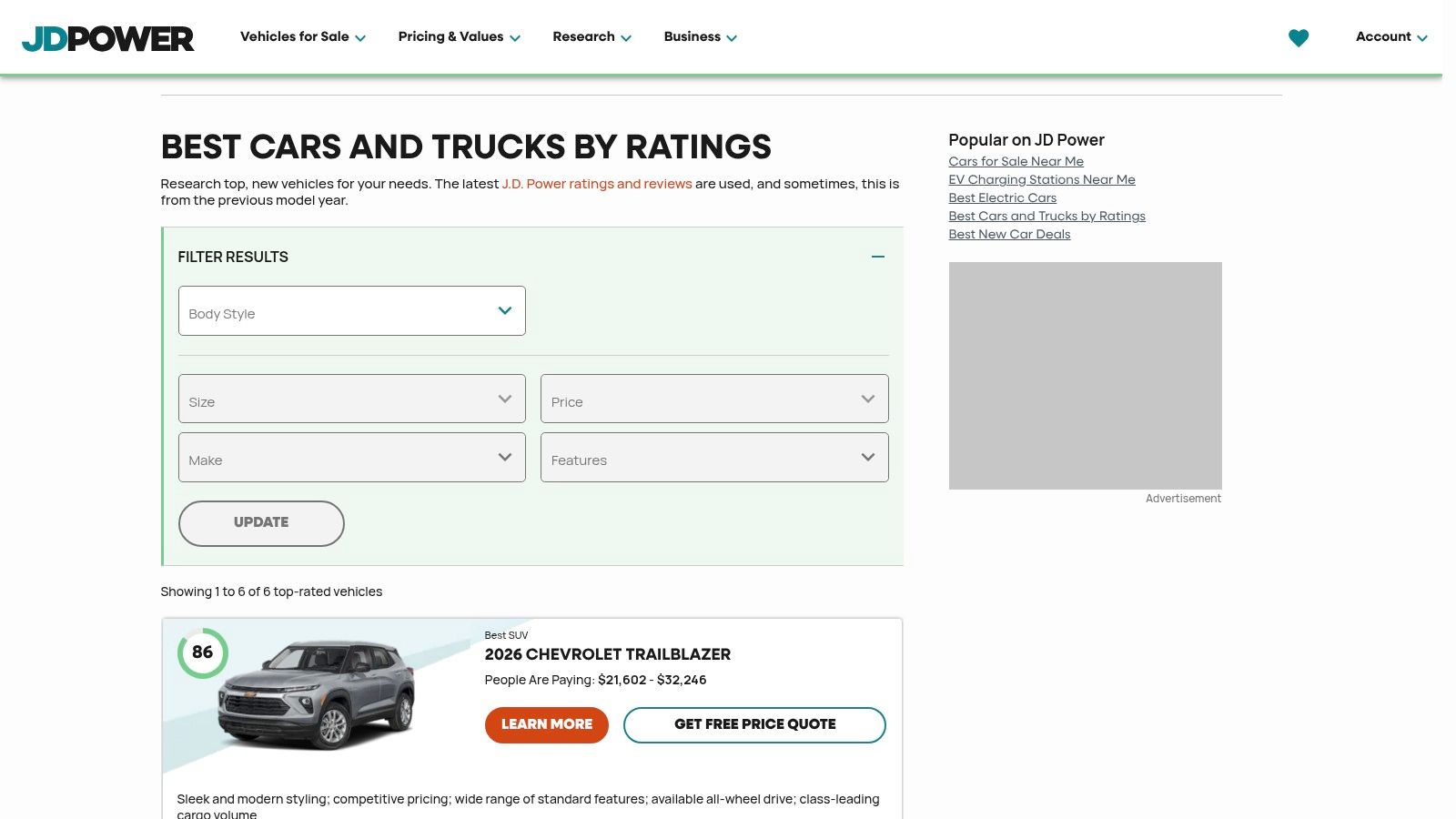
The key with an F-150 is to shop for use case, not image. A lightly used family truck and a former work-site truck can look similar online. Their histories won't.
Buyer's dossier
Target the cleanest ownership history you can find, even if it means accepting a lower trim. Fancy options don't offset years of hard towing, idle hours, or poorly repaired body damage.
Things I'd review carefully on a VekTracer report:
- Commercial or fleet history: Work trucks often age differently from personal trucks.
- Accident records involving the bed or frame area: Cosmetic-looking truck repairs can hide more serious issues.
- Mileage pattern: Extremely low mileage isn't always good if the truck spent years idling.
- Lien status: Trucks are common in financed private sales. Verify payoff status.
A buyer who needs weekend towing but also wants daily comfort can do very well with the right F-150. Start with a practical ownership lens, then dig deeper with this F-150 buying guide before narrowing to one truck.
8. Toyota Tacoma The Indestructible Mid-Size Truck
The Toyota Tacoma has a reputation that helps and hurts. The good part is obvious. Buyers trust it for durability, utility, and resale strength. The downside is that sellers know that too, so average Tacomas often get advertised like they're collector vehicles.
That means discipline matters. A Tacoma can be a great buy, but not at any price and not with any history.
Buyer's dossier
The best Tacoma buy is usually the truck that hasn't been modified heavily and hasn't lived a hard off-road life. Big tires, lift kits, aftermarket bumpers, and vague statements about "weekend trails only" should push you toward extra caution.
On the report, focus on:
- Off-road damage clues: Frequent repairs or repeated alignment-related incidents deserve inspection.
- Theft recovery records: Popular trucks can show up in theft databases.
- Ownership pattern: A long-term owner is often better than several short-term flippers.
- Title brands: Rebuilt Tacomas still get priced aggressively, which is rarely a bargain.
Here's the trade-off. Tacomas hold value so well that some buyers are better served by a different truck if budget matters more than reputation. If you want long-term confidence and strong demand when it's time to resell, the Tacoma still earns its place on this list.
9. Lexus ES 350 The Smart Luxury Choice
A lot of used luxury cars look appealing on the lot. Six months later, the owner is dealing with warning lights, expensive suspension work, or a stack of deferred maintenance from the last person. The Lexus ES 350 usually avoids that trap.
It is the luxury car I point budget-conscious buyers toward when they want comfort, quiet, and a premium cabin without signing up for the usual used-luxury drama. Lexus consistently ranks at or near the top for reliability in studies from outlets such as Consumer Reports, and the ES 350 has long earned its reputation as one of the lower-risk ways to buy a luxury badge used.
Buyer's dossier
The best ES 350 years are usually the later years within a generation, after Lexus has had time to sort out smaller issues. For 2026, expect older, higher-mileage examples to start in the mid-teens, with cleaner later-model cars often reaching into the upper $20,000s or more depending on trim, mileage, and service history.
The trade-off is simple. The ES 350 majors on comfort, not driver involvement. It rides well, stays quiet on the highway, and makes commuting easier. Buyers looking for sharp steering or a sport-sedan personality should shop elsewhere.
On a VekTracer report, I would focus on these trouble spots:
- Service gaps: Luxury cars age well when maintenance stays on schedule. Long blank periods in the history deserve follow-up questions.
- Accident history and repair consistency: An ES can hide mediocre bodywork under glossy paint. Look closely if the report shows multiple damage entries or repeated registration changes after a collision.
- Mileage pattern: A steady highway-use car is often a better bet than one with inconsistent odometer progression.
- Title, lien, and ownership history: Multiple short-term owners on a comfort-focused sedan can be a sign that the car came with unresolved issues or was passed around by dealers.
One more practical point. ES 350 pricing can drift too close to newer mainstream sedans with stronger tech and safety features. If the Lexus premium buys you a cleaner history, better condition, and proven maintenance, it makes sense. If you are paying mostly for the badge, walk away.
Buy the ES 350 for comfort, durability, and low-stress ownership. Buy the right history first, and the leather and wood become a bonus.
10. Honda Accord The Sporty and Sensible Sedan
A common used-car dilemma looks like this. You want a midsize sedan that feels good on a long commute, fits adults in the back seat, and will not punish you with luxury-car repair bills. The Accord keeps making the short list because it solves that problem better than most.
Its appeal is straightforward. The Accord gives you real cabin space, a large trunk, and sharper road manners than many family sedans. That does not mean every used Accord is an automatic yes. The right year, powertrain, and history matter.
Buyer's dossier
For 2026 shoppers, the sweet spot is usually a clean 2018 to 2022 car, with pricing driven hard by trim, mileage, and whether you are looking at the base engine, the 2.0T, or a hybrid. Newer used Accords also tend to show up with competitive manufacturer-backed financing offers from time to time, which can narrow the gap between buying used and stretching for a new one.
Best years to target depend on your priorities. A well-kept later ninth-generation car can be a strong value buy if you want proven simplicity. A tenth-generation Accord feels roomier and more modern, but I would be more selective about powertrain choice and maintenance records. If driving satisfaction matters, the 2.0T is the enthusiast pick. If fuel economy and low running costs matter more, the hybrid deserves a serious look.
On a VekTracer report, check these items first:
- Accident history with repair detail: Accords are common commuter cars, so minor damage is not rare. Multiple front-end hits, airbag deployment, or repeated damage entries deserve extra scrutiny.
- Ownership pattern: One or two long-term owners usually tells a better story than several short ownership cycles.
- Service consistency: Oil changes, brake service, and transmission-related maintenance should follow a believable timeline. Big gaps are a reason to ask questions.
- Title and registration continuity: Watch for title brands, state-to-state jumps in short periods, or a history that suggests the car moved through auctions more than once.
- Recall completion: This matters most on newer examples with more driver-assistance hardware and electronics.
The Accord's trade-off is simple. You often pay a little more than you would for some rival sedans because demand stays strong, and sport-trim cars can be overpriced if the seller is banking on the badge and wheels. Buy condition and history first. If the premium gets you a cleaner car with the right powertrain and documented upkeep, the Accord is one of the safest midsize sedan buys on the board.
Top 10 Used Cars Comparison
| Model | Buying Complexity 🔄 | Ownership Resources ⚡ | Expected Reliability ⭐ | Ideal Use Cases 📊 | Key Advantages 💡 |
|---|---|---|---|---|---|
| Toyota Camry | Check fleet/rental history, avoid first-year new-gen issues (e.g., 2018 transmission) | $12k–$25k; low maintenance and parts cost | ⭐⭐⭐⭐⭐ Very high long-term durability | Daily driver, commuting, low-stress ownership | Consistently low running costs; comfortable and sensible |
| Honda CR-V | Inspect 1.5T early engines (oil dilution) and interior wear from family use | $13k–$28k; low–average maintenance | ⭐⭐⭐⭐⭐ Dependable for families and light hauling | Small SUV for families, cargo versatility, fuel economy | Spacious interior, efficient, versatile |
| Mazda3 | Check accident history and for “ghost touch” infotainment on some years | $11k–$21k; low maintenance | ⭐⭐⭐⭐ Reliable with strong driving dynamics | Enthusiastic commuters, compact drivers who value handling | Premium feel, sharp handling, stylish design |
| Toyota RAV4 | Inspect underbody for off‑road damage; note torque converter reports on some years | $14k–$26k; low maintenance; hybrid options save fuel | ⭐⭐⭐⭐⭐ Robust and practical | All‑round family SUV, light off‑road, cargo needs | Ample cargo, available AWD, Toyota reliability |
| Honda Civic | Watch for 1.5T early issues and aftermarket modifications | $10k–$22k; very low maintenance | ⭐⭐⭐⭐⭐ Long‑standing reliability and efficiency | First car, commuter, small family, varied trims | Fuel efficient, wide model range, low ownership cost |
| Subaru Outback | Check origin (rust belt vs dry state); note CVT and windshield reports | $13k–$25k; average maintenance due to AWD complexity | ⭐⭐⭐⭐ Very good, slightly higher maintenance risk | All‑weather touring, light off‑road, outdoor lifestyles | Standard AWD, higher clearance, practical interior |
| Ford F-150 | Verify commercial/fleet use, frame/recall history, configuration impacts value | $15k–$40k+; average–high maintenance and fuel costs | ⭐⭐⭐⭐ Solid but depends on engine/trim history | Towing, hauling, work truck, large‑family utility | Wide availability, unmatched versatility and payload |
| Toyota Tacoma | Inspect for frame rust in older units; check transmission “hunt” on some 3rd gen | $18k–$35k; low routine truck maintenance | ⭐⭐⭐⭐⭐ Extremely durable with strong resale | Mid‑size truck users, off‑road enthusiasts, long‑term owners | Legendary toughness, excellent resale value |
| Lexus ES 350 | Look for deferred maintenance and multiple owners; higher dealer labor costs | $16k–$28k; average maintenance; premium fuel often required | ⭐⭐⭐⭐⭐ Luxury reliability with Toyota underpinnings | Comfortable luxury commuting, quiet long‑distance travel | Smooth ride, high‑quality interior, very reliable |
| Honda Accord | Check starter history on some 9th‑gen and oil service on turbo models | $12k–$24k; low maintenance | ⭐⭐⭐⭐⭐ Reliable with engaging dynamics | Sporty family sedan, commuter with room and comfort | Balanced handling, roomy cabin, efficient powertrains |
The Smartest Buy Is an Informed One
Choosing from a list of the top 10 best used cars to buy is a strong start. It narrows the field to models with solid reputations and proven buyer appeal. But model reputation only gets you to the parking lot. The actual decision occurs when you evaluate the exact vehicle sitting in front of you.
That's where many buyers go wrong. They spend all their time comparing Toyota versus Honda, sedan versus SUV, truck versus crossover, then they skip the part that matters most. Vehicle history. A reliable model with hidden structural damage, title branding, odometer issues, theft history, or unresolved liens isn't a smart buy anymore. It's just a recognizable badge attached to risk.
The broader pricing environment makes that even more important. In 2026, the average used car price is $26,000, which is nearly 50% less than the average new car price. That's why so many buyers are staying in the used market. The savings are real. But when shoppers move quickly because a used vehicle looks cheaper than new, they sometimes ignore the details that protect those savings.
A simple decision checklist
Before you commit to any car on this list, make sure you can answer yes to these questions:
- Clean identity check: Does the VIN match the title, windshield, door sticker, and seller paperwork?
- History clarity: Does the vehicle history report show consistent mileage, title status, and ownership timeline?
- Damage transparency: If there was an accident, do the report and the physical inspection tell the same story?
- Service proof: Can the seller show records that support the car's condition?
- Independent inspection: Has a mechanic who doesn't know the seller looked at it?
This matters even more for parents buying for teenagers or first-time drivers. One of the biggest gaps in mainstream used-car advice is the lack of clear safety and theft context for specific used models. That's one reason buyers end up relying too heavily on brand reputation. If you're weighing several vehicles and want a side-by-side view of history risk, VekTracer becomes useful. You can compare reports, review the Risk Score, and spot the one vehicle that looks good on paper and in practice. If you're also weighing report options, it's worth reviewing CARFAX alternatives and comparison details before you buy any vehicle history product. Buyers in both the U.S. and Canada should also run a dedicated VIN check in the USA or VIN check in Canada depending on where the vehicle has been registered.
For more help on past accidents, title issues, and odometer verification, browse the broader vehicle history report resources on the VekTracer blog. And if you're still narrowing your shortlist, this external dealerships' guide to 2026 used cars is a useful companion read.
The smartest used car isn't always the cheapest one, the newest one, or the one with the best badge. It's the one with the right history, the right condition, and the right fit for your life. That's how you avoid overpaying for reputation and start buying with confidence.
Run a VekTracer vehicle history report before you buy, especially if you're comparing multiple listings that all look good at first glance. The Risk Score, title and lien checks, theft records, mileage verification, and compare tools can help you eliminate risky cars fast and focus on the one that's worth your money.
Ready to check a vehicle?
Enter any 17-character VIN for a free instant preview — no account needed.