Your 1997 Pontiac Firebird Buying Guide

Check a vehicle before you buy
Enter a VIN for a free instant preview — accidents, title brands, mileage, liens & open recalls.
Your 1997 Pontiac Firebird Buying Guide
The 1997 Pontiac Firebird can be a good enthusiast buy when you prioritize mechanical soundness and documented history over badges. A clean, well-serviced example with matching records has the potential to deliver engaging sports-car performance at a lower cost than many comparable muscle cars. Walk away from any listing that can’t produce a clean title, verifiable mileage, and service records. Your first move before contacting any seller: run a VIN-based vehicle history report and cross-reference the asking price against Hagerty’s valuation tools and Kelley Blue Book. Those three steps alone will filter out most problem listings before you drive an hour to see one.
Key Takeaways
A 1997 Pontiac Firebird rewards buyers who treat it as an inspection project first: prioritize documented history, a clean VIN report, and drivetrain condition over trim badges or cosmetic appeal.
| Point | Details |
|---|---|
| Run the VIN report first | Pull an NMVTIS-backed report before traveling; title brands and odometer gaps are deal-killers. |
| Match trim to your goal | V6 for daily use, Formula for V8 value, manual Trans Am WS6 for performance and resale. |
| Inspect T-tops and rust hotspots | T-top leaks cause hidden corrosion; check rockers, subframe mounts, and floor pans in person. |
| Budget for Optispark and cooling | LT1 Optispark replacement runs $400–$800; plan a full cooling-system refresh if records are absent. |
| Vektracer saves time and money | At $19.99, a Vektracer VIN report reveals title, mileage, and accident history before you commit. |
Table of Contents
- What are the key specs and trim differences in a 1997 Firebird?
- What should you expect to pay for a 1997 Firebird?
- What does a thorough pre-purchase inspection cover?
- What are the most common problems and ownership costs?
- Which 1997 Firebird trim fits your goals?
- How do you verify a 1997 Firebird’s history with a VIN report?
- What are the deal-killers and how do you negotiate on defects?
- What does the buying timeline look like from search to title transfer?
- What buyers actually encounter when purchasing a 1997 Firebird
- Why a VIN report is the right first step before buying a 1997 Firebird
- Sources
- FAQ
What are the key specs and trim differences in a 1997 Firebird?
Edmunds confirms the 1997 Firebird offered two engine families: a 3.8L V6 producing roughly 200 hp for base models, and a 5.7L LT1 V8 rated at 285 hp for the Formula and Trans Am. The WS6 Performance and Handling Package pushed that V8 to approximately 305 hp while adding upgraded suspension, larger brakes, and 17-inch wheels. Transmission choices were a 4-speed automatic or a 6-speed manual; manual cars command a consistent premium on the used market and are harder to find.
CarGurus historical data shows original MSRPs ranging from $17,699 for the base coupe to $28,969 for a Trans Am convertible which gives useful context for how much trim-level spread existed from the factory.
- T-tops and convertibles add desirability but also inspection complexity (leak risk, hardware wear).
- WS6 was available on convertibles in 1997, making those cars especially sought-after.
- The Firehawk, built by SLP Engineering, is the rarest variant and commands a collector premium.
What should you expect to pay for a 1997 Firebird?
Current private-party values vary significantly by condition and trim. Use Hagerty for collector-grade benchmarks and KBB for fair private-party baselines. CarGurus listing data reflects what sellers are actually asking, which often runs somewhat above fair value estimates for clean examples.
Rough condition-based price bands (private party, all trims):
| Condition | Typical Range | Notes |
|---|---|---|
| Fair (driver) | $4,000–$7,000 | Cosmetic wear, minor deferred maintenance |
| Good | $8,000 and up | Solid mechanicals, presentable interior |
| Excellent/Concours | $16,000 and above | Low miles, documented history, WS6/manual |
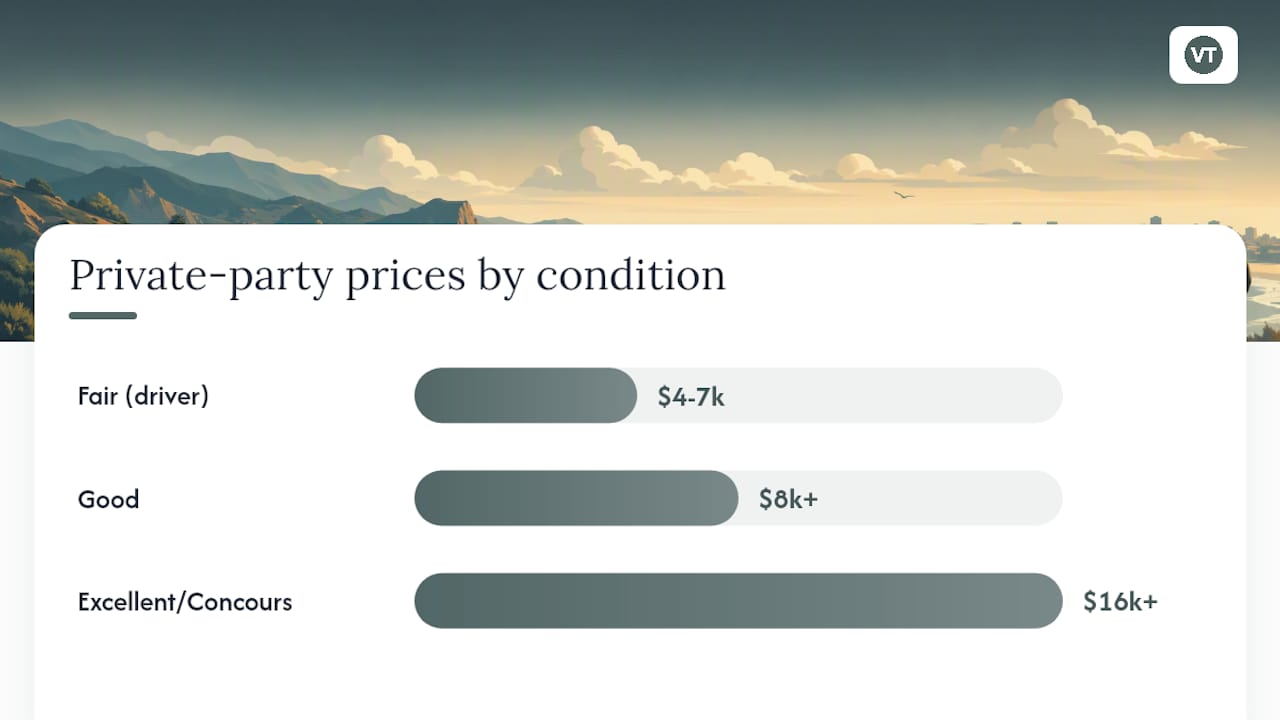
Premiums stack quickly. A manual Trans Am with WS6, T-tops, and a documented Optispark service history can legitimately sit at the top of that range. A base V6 automatic with 130,000 miles and no records belongs at the bottom.
Negotiation levers to use: deferred Optispark service (budget $400–$800 for parts and labor), T-top weatherstrip and hardware replacement, cooling-system age (hoses, thermostat, water pump), and any rust on rocker panels or floor pans. Get independent repair estimates before making an offer, then subtract the repair cost plus a reasonable margin for your time and risk.
What does a thorough pre-purchase inspection cover?
Never skip an in-person inspection, and always schedule a shop pre-purchase inspection (PPI) with an independent mechanic familiar with F-body cars. The Firebird has specific failure modes that a generic inspection can miss.
Cold-start and warm-up checks:
- Start the engine cold. Listen for ticking, rough idle, or smoke.
- Let it fully warm up, then shut it off and restart immediately. LT1 Optispark problems often surface only on a hot restart, showing as stalling or severe misfires.
T-top and convertible inspection:
- RepairPal documents that T-top and convertible leaks frequently cause hidden interior and hardware corrosion requiring far more than weatherstrip replacement.
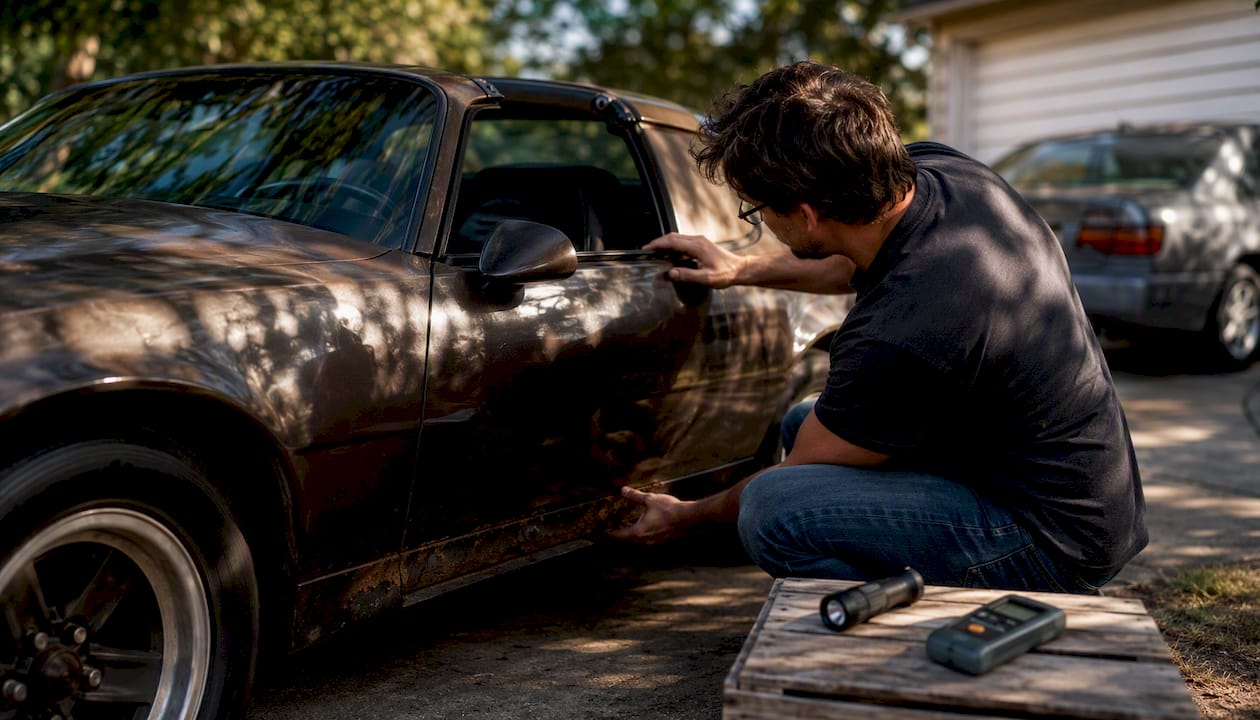
- Press on the headliner near the T-top channels. Any softness, staining, or mildew smell signals water intrusion.
- Test with a garden hose if the seller allows it.
Rust hotspots (inspect every one):
- Rocker panels (look under the cladding)
- Subframe mounts and torque boxes
- Trunk seams and spare-tire well
- Floor pans (pull back carpet if possible)
Drivetrain and cooling:
- Check coolant color and level. Brown or rusty coolant on a 1997 LT1 means the cooling system hasn’t been serviced in years.
- Request a compression test and coolant pressure test at the PPI.
- Watch for transmission slipping or harsh shifts on the test drive.
Pro Tip: Drive Chicago’s real-world review clocked a manual Trans Am at roughly 0–60 in 6.5 seconds. If your test drive feels noticeably sluggish or the car stumbles under hard acceleration, that’s a concrete sign of ignition or fuel-system trouble worth pricing out before you commit.
Walk away immediately if you find: structural rust at the subframe mounts, a salvage or rebuilt title, or a VIN that doesn’t match the door jamb sticker and dashboard plate.
What are the most common problems and ownership costs?
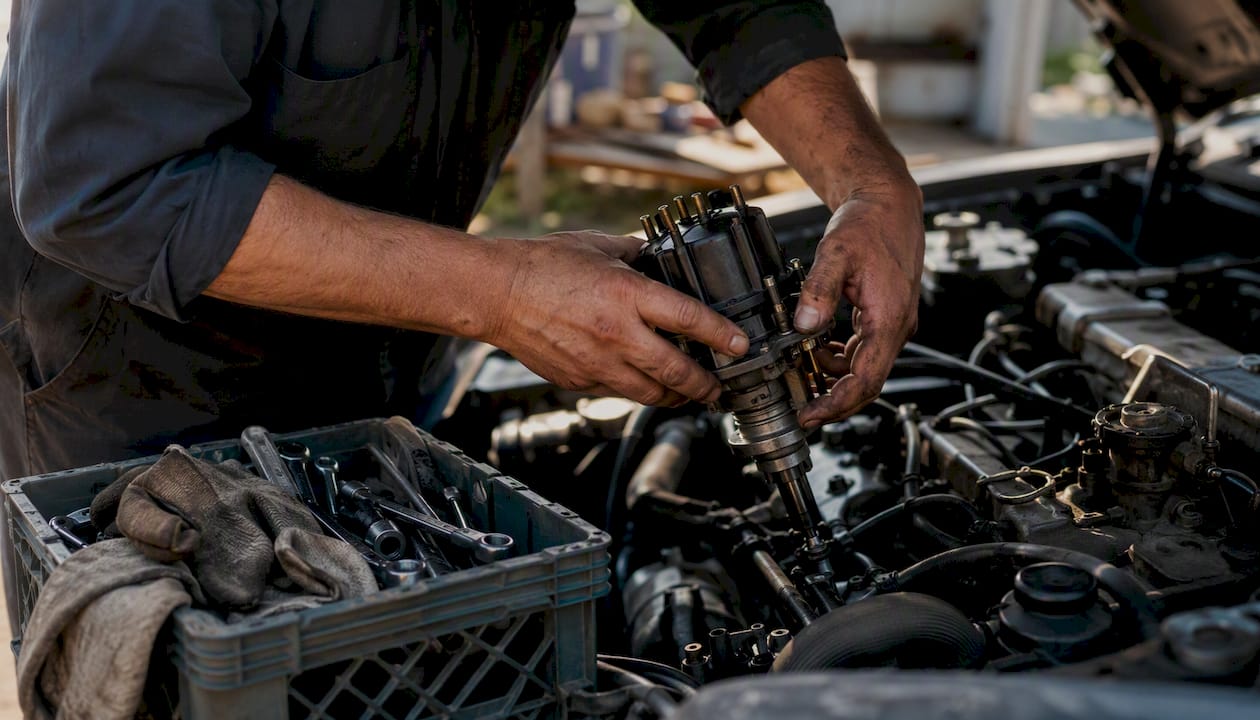
Optispark distributor is the single most discussed failure point on 1996–1997 LT1-equipped F-bodies. It sits low on the engine, is prone to moisture intrusion, and causes intermittent stalling and drivability loss that worsens as the engine heats up. Check service records specifically for Optispark replacement or ignition work.
Cooling system components are now 28 years old on every surviving example. Budget for a full cooling-system refresh (hoses, thermostat, water pump, radiator flush) if records don’t show recent service.
Fuel economy runs about 17 mpg city and 26 mpg highway on the V8, per KBB specs. The V6 is slightly more efficient but the gap isn’t dramatic in real-world driving.
Parts availability is genuinely good relative to rarer classics. The Firebird shares a platform with the fourth-generation Camaro, so a wide range of mechanical components interchange. Suppliers like F-Body Warehouse stock F-body-specific parts, and the aftermarket for performance upgrades is active. Body-structure rust repairs remain the most expensive threat to long-term ownership value.
Insurance on a well-maintained example is often reasonable under a collector or agreed-value policy through providers like Hagerty, especially if annual mileage is limited.
Which 1997 Firebird trim fits your goals?
Daily driver: A well-documented V6 base or a low-option Trans Am automatic with under 100,000 miles and clean service records. The V6 is cheaper to insure and easier on fuel; the Trans Am gives you the LT1 without the WS6 complexity.
Weekend cruiser or project: The Formula is the sweet spot. It carries the same LT1 drivetrain as the Trans Am without the styling premium, so a clean Formula often represents better mechanical value per dollar spent.
Performance and resale: A 6-speed manual Trans Am with the WS6 package is the clear choice. It’s the most desirable configuration to future buyers and the most rewarding to drive.
Collector or show car: Demand matching numbers, original build sheet or window sticker, low miles, and fully documented provenance. A Firehawk with original SLP documentation sits at the top of the collectability ladder.
How do you verify a 1997 Firebird’s history with a VIN report?
Run the VIN check before you travel to see the car. A 17-character VIN is stamped on the dashboard (visible through the windshield) and on the driver-side door jamb sticker. Use an NMVTIS-backed report to pull the car’s full history.
- Locate the VIN on the listing or ask the seller to provide it in writing.
- Run a vehicle history report using an NMVTIS-connected service before scheduling a visit.
- Check title status first: any salvage, rebuilt, flood, or lemon-law buyback brand is a serious red flag.
- Review odometer readings across all reported events. Gaps or sudden drops signal potential rollback.
- Count the number of reported accidents and note their severity. A single minor fender repair is different from a structural collision.
- Confirm the number of previous owners and state registration history. A car that’s crossed many states in a short period warrants extra scrutiny.
- Check for open safety recalls using the NHTSA database. Outstanding recalls on a 28-year-old car can still affect safety.
A clean VIN report doesn’t guarantee a perfect car, but a problematic one tells you to walk away before you’ve spent time or money on travel and inspections. Use the vehicle title check guide to understand exactly what each title brand means before you interpret your report.
What are the deal-killers and how do you negotiate on defects?
Absolute walk-aways:
- Structural rust at subframe mounts or torque boxes
- Flood, salvage, or rebuilt title on the VIN report
- VIN mismatch between dashboard, door jamb, and title
- Odometer discrepancy or rollback evidence
High-priority negotiables (price, not walk-away):
Frame every deduction around a written shop estimate, not a guess. Sellers respond better to a documented number than a vague “it needs work” discount request.
What does the buying timeline look like from search to title transfer?
- Search and filter: Require photos of the VIN plate, door jamb sticker, and engine bay in the listing before contacting the seller. Listings without these are lower-priority.
- Run the VIN report: Pull an NMVTIS-backed history report. Review title, odometer, and accident fields before scheduling a visit. Use used car buying tips to sharpen your pre-visit checklist.
- Paperwork review: Ask for maintenance records, original title, and any build documentation before the in-person visit.
- In-person inspection: Cold-start, warm-up, hot-restart, T-top hose test, rust inspection, and full test drive.
- Shop PPI: Schedule a pre-purchase inspection with an independent F-body-familiar mechanic. Budget $100–$150 for the inspection.
- Negotiate: Use repair estimates and VIN report findings as documented leverage.
- Closing: Confirm title is signed correctly, verify the odometer disclosure statement, and check local emissions or safety inspection requirements before driving home.
- First service: Change engine oil, coolant, brake fluid, and transmission fluid immediately if records don’t confirm recent service.
What buyers actually encounter when purchasing a 1997 Firebird
The cars that look best in photos are rarely the ones that hold up under a flashlight. A Trans Am with a freshly detailed engine bay and new floor mats can hide a cracked Optispark, a T-top headliner soaked through three layers, and rocker panels that crumble at a firm tap. The VIN report on one such car showed a title transfer gap of four years with no reported mileage events, which is a classic sign of odometer trouble. That single flag, pulled before the drive, saved the buyer a wasted afternoon and a potentially expensive mistake.
The cars that actually deliver are usually the unglamorous ones: a Formula with a faded hood, a folder of oil-change receipts, and an owner who can tell you exactly when the Optispark was replaced. Aesthetics are fixable. A neglected drivetrain on a 28-year-old car is not cheap to correct.
Why a VIN report is the right first step before buying a 1997 Firebird
A Vektracer report gives you accident history, title records, mileage verification, theft checks, safety recalls, and market value data, all sourced through NMVTIS-connected databases. At $19.99, it costs less than a tank of gas and takes minutes to run. That’s a fraction of what you’d pay for a wasted trip, a botched negotiation, or a car with a hidden salvage title.
Pull the report before you call the seller. If the title is clean and the mileage is consistent, you go in with confidence. If the report flags a problem, you’ve saved yourself the trip entirely. See how Vektracer works or check pricing before your next search session.
Sources
- 1997 Pontiac Firebird review | Edmunds
- 1997 Pontiac Firebird Consumer Reviews & Pricing | Kelley Blue Book
- 1997 Pontiac Firebird Formula | Hagerty Valuation Tools
- 1997 Pontiac Firebird: Prices, Reviews & Pictures - CarGurus
- 1997 Pontiac Firebird Review | Drive Chicago
- RepairPal
FAQ
What is the most reliable 1997 Firebird trim to buy?
A well-documented V6 base or a Formula with a full service history tends to carry the least deferred-maintenance risk. The LT1 V8 is more powerful but requires confirmed Optispark service to be considered reliable.
How much does a 1997 Pontiac Firebird cost today?
Private-party prices range roughly from $4,000 for a fair-condition driver to $28,000 or more for a low-mile, documented WS6 manual Trans Am or Firehawk. Condition, mileage, and provenance drive the spread.
What does the WS6 package add to a 1997 Firebird?
WS6 raises the LT1 V8 output to approximately 305 hp and adds upgraded suspension, larger brakes, and 17-inch wheels. It was available on both coupes and convertibles in 1997 and consistently commands a premium on the used market.
Should I get a VIN report before buying a 1997 Firebird?
Yes, always. A VIN report from an NMVTIS-connected service like Vektracer reveals title brands, odometer history, accident records, and open recalls before you invest time or money in a visit.
Where can I find 1997 Pontiac Firebird listings?
CarGurus, private-seller classifieds, and F-body-focused forums like FirebirdNation are the most productive sources. Require VIN, engine photos, and maintenance records in the listing before making contact.
Recommended
Ready to check a vehicle?
Enter any 17-character VIN for a free instant preview — no account needed.